





Winter Heating System Checklist for Comfort & Energy Savings
Keeping your home warm and comfortable shouldn’t be a guessing game. Regular heating system care ensures you stay cozy, keeps your energy bills in check, and prevents those dreaded mid-winter breakdowns. But let’s face it, most of us only think about our furnace, boiler, or heat pump when something goes wrong. That’s where this comprehensive maintenance checklist comes in. We’ll guide you through simple DIY tasks and explain when it’s time to call in the pros, ensuring your system runs safely, reliably, and efficiently all season long. Inside, you’ll find: heating services.
- Why keeping your heating system in top shape is vital for safety, saving money, and making it last longer.
- Easy DIY checks and cleaning tips you can do yourself.
- Clear signs that it’s time for a professional tune-up or an urgent repair.
- How maintaining furnaces, boilers, and heat pumps differs.
- What to expect for heating maintenance costs in Tulare and Kings County, plus tips to get your home ready for winter.
- Smart ways to boost your HVAC’s energy efficiency, from filter care to smart thermostats and ductwork.
- How De Ochoa Heating and Air Conditioning is here to help local homeowners with expert inspections, same-day service, and emergency support.
This checklist is packed with practical advice and local know-how to keep your home’s heating system running smoothly, safely, and efficiently for years to come.
Why Your Home Heating System Needs Regular Check-ups
Think of regular heating system maintenance as a health check-up for your equipment. It’s the best way to catch small issues before they turn into big, expensive problems. By regularly inspecting key parts like filters, vents, heat exchangers, and controls, you can avoid unexpected breakdowns and hefty repair bills. This proactive approach also helps uncover hidden inefficiencies that are silently inflating your energy costs, setting the stage for better performance and a smaller environmental footprint.
Consistent upkeep also means a more comfortable home and better indoor air quality, thanks to balanced airflow and clean components. Crucially, it enhances safety by minimizing fire risks and the potential for carbon monoxide leaks through detector checks and combustion system inspections. These vital safety measures protect your family from dangerous issues while building overall system reliability. Investing in regular care directly translates to a longer lifespan for your equipment and sustained efficiency, making it a smart move for every homeowner.
How Does Maintenance Help Dodge Costly Heating System Breakdowns?
Preventative maintenance is your first line of defense against system failures. It helps spot worn-out wiring, loose belts, or components nearing the end of their life before they cause a complete shutdown. Simple checks on electrical connections, blower motors, and condensate lines can avert emergencies by allowing for timely replacements or adjustments. Catching minor issues early means less expensive labor and fewer parts needed, saving you from the high costs associated with unexpected heating outages during the coldest months.
Inspections of critical parts like heat exchangers, gas valves, and ignition systems are essential for preventing hazardous malfunctions. Ensuring these components are working correctly significantly lowers the risk of dangerous issues like flame roll-out or gas leaks, which could lead to catastrophic failures. By identifying developing faults in their earliest stages, you protect both your system’s integrity and your family’s safety, all without the premium price tag of emergency service.
What Energy-Saving Perks Come with Routine Heating Maintenance?
Routine maintenance is a game-changer for energy efficiency. It restores optimal airflow, ensures your thermostat is accurately calibrated, and keeps heat-transfer surfaces clean. A clean air filter and clear ductwork mean your blower motor doesn’t have to work as hard, leading to lower electricity use. When your system’s burners are operating efficiently and ventilation is correct, it burns fuel more effectively, delivering more heat for every unit of energy consumed.
Even a modest improvement in system efficiency – say, 5–10 percent – achieved through regular servicing can lead to significant savings on your heating bills each year. Seasonal tune-ups that include checks on gas pressure and burner adjustments ensure your system isn’t wasting fuel by over- or under-firing. These improvements not only help your household budget but also contribute to a smaller carbon footprint.
How Does Maintenance Keep Your Home Safe from Carbon Monoxide and Fire Risks?
Your annual safety inspection should include a combustion analysis and a check of your carbon monoxide detectors to confirm that exhaust gases are venting properly. Inspecting the integrity of your flue and ensuring seals are intact is crucial to prevent deadly carbon monoxide leaks into your living spaces. Verifying that your detectors are functioning correctly and have fresh batteries ensures you’ll get an early warning if dangerous gas levels rise.
Cleaning ignition assemblies and burner ports removes soot and debris that could cause flame roll-out or pilot light failures, thereby reducing fire risk. Secure electrical connections and clean motor housings prevent overheating and short circuits that can lead to fires. Proactive safety checks are your best defense against hidden threats within your heating system, protecting both your property and everyone inside.
How Does Maintenance Help Your Heating System Last Longer?
Consistent lubrication of moving parts, secure electrical connections, and balanced airflow all work together to reduce mechanical stress on fans, motors, and heat exchangers. Changing your air filter regularly prevents dust buildup that can wear down components and hinder heat transfer. This gentler operating environment slows down the natural deterioration process, delaying the need for a costly system replacement.
For heat pumps, monitoring refrigerant levels and for boilers, assessing water chemistry can prevent damage from corrosion or freezing. Addressing minor leaks and calibrating controls before they fail helps maintain the core integrity of your heating appliances. Over time, this diligent care can add several years to your system’s lifespan, maximizing your investment and deferring major capital expenses.
Your Go-To DIY Heating System Maintenance Checklist
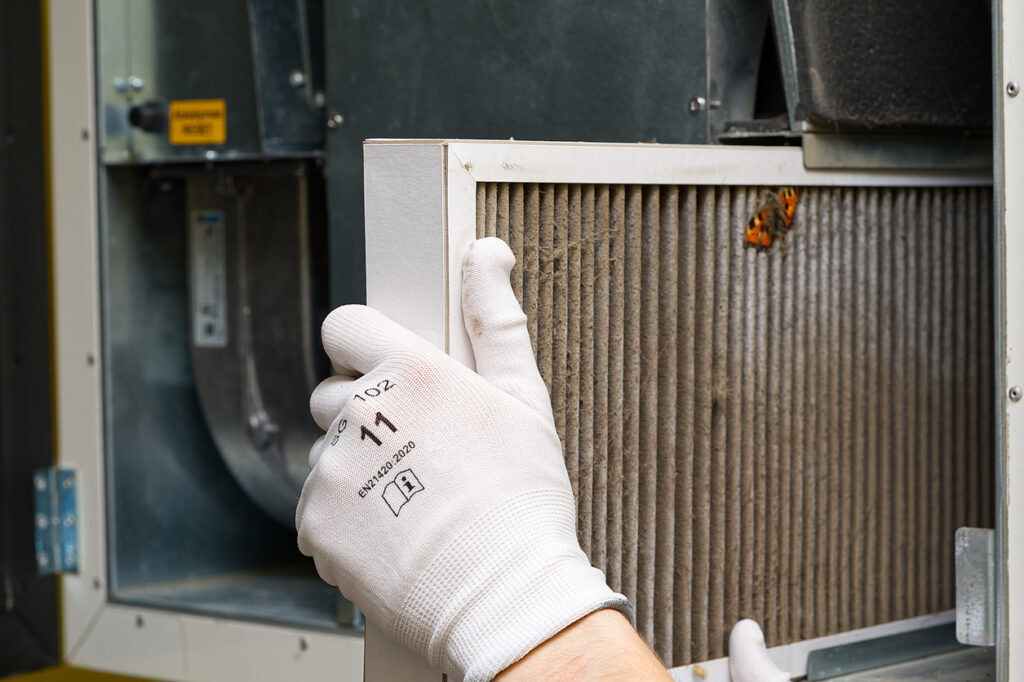
This DIY heating maintenance checklist empowers you to handle essential system checks and simple cleaning tasks without needing specialized tools. Inspecting your air filters, vents, thermostat settings, and outdoor units ensures unobstructed airflow and precise temperature control. A quick check of your carbon monoxide detectors completes a vital safety sweep before the cold weather truly sets in.
Homeowners who commit to these regular tasks often enjoy improved indoor comfort and fewer emergency service calls. Changing filters and clearing vents regularly keeps airflow strong and efficiency high, while optimizing your thermostat settings ensures you’re always comfortable. Making sure your outdoor unit is free from debris helps it perform at its best. This hands-on approach is your first line of defense against heating system issues and perfectly complements professional tune-ups.
How Often Should You Check and Swap Out Your Air Filters?
Make it a habit to inspect your air filters every month and replace them every 1–3 months, depending on how dusty your home tends to get and the type of filter you use. A clogged filter restricts airflow, forcing your blower motor to work overtime, which uses more energy and causes more wear. A fresh filter keeps your indoor air cleaner by trapping allergens and dust, and it helps your system transfer heat more efficiently. Regular replacements also prevent issues like coil icing in heat pumps and overheating in furnaces, keeping your system healthy.
How Can You Fine-Tune Your Thermostat for Better Heating Efficiency?
Set your thermostat to a comfortable 18–20 °C when you’re home and lower it by 3–4 °C when you’re sleeping or away. This simple adjustment can save you up to 10 percent on your heating bills. If you have a programmable or smart thermostat, use it to schedule these temperature changes automatically. Smart thermostats with learning capabilities can even adjust heating based on your habits and the weather, further reducing energy waste. Fine-tuning the temperature difference also prevents your system from short-cycling, which puts unnecessary strain on the equipment and shortens its lifespan.
Why Is Keeping Vents and Registers Clear So Important for Heating Performance?
Clearing dust and anything blocking your vents and registers is key to ensuring warm air is distributed evenly throughout your rooms. When registers are blocked, it creates pressure imbalances that restrict airflow, leading to cold spots and drafts. Moving furniture or rugs that are blocking vents improves circulation and reduces the workload on your heating fan. This simple step significantly enhances comfort and helps your system operate more uniformly.
How Should You Care for Your Outdoor Heating Unit and Its Surroundings?
Always maintain at least 0.5 meters of clear space around your outdoor condenser or heat pump unit, and make it a point to remove leaves, grass clippings, and other debris monthly. You can gently hose down the fins to clear away dirt, being careful not to bend the delicate blades. During winter, ensure that ice doesn’t build up around the base. Keeping the outdoor unit unobstructed prevents overheating, maintains proper refrigerant flow, and supports consistent heat pump services.
How Do You Test Your Carbon Monoxide Detectors to Ensure Safety?
Test your carbon monoxide detectors every month by pressing the test button until the alarm sounds. Replace the batteries at least once a year. Check the device for dust buildup and gently vacuum the vents to keep the sensor responsive. Placing detectors near sleeping areas and at the recommended height ensures you’ll get an early warning. Always check the expiration dates and replace the units every five years to guarantee reliable detection of dangerous gas leaks.
When It's Time to Call in the Heating System Professionals
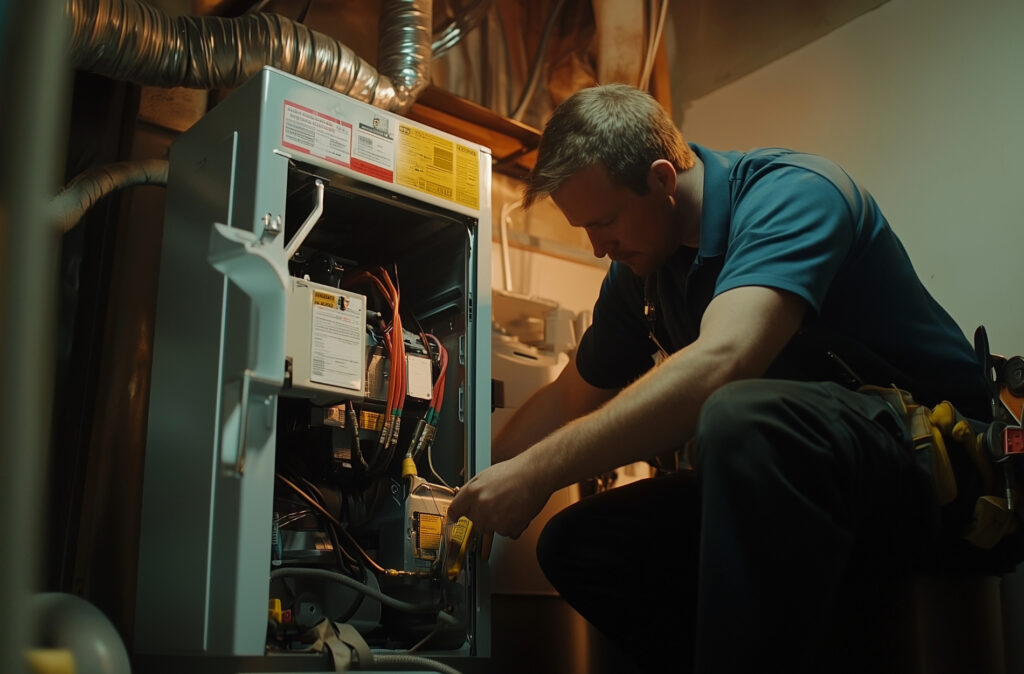
Bringing in a qualified HVAC technician for an annual heating system tune-up is essential for a thorough inspection of internal components and safety systems that go beyond DIY capabilities. Professionals can perform combustion analysis, lubricate motors, calibrate controls, and verify electrical integrity. This detailed service addresses cumulative wear and tear and uncovers hidden issues that the average homeowner might miss.
Scheduling professional service in late summer or early autumn is ideal, ensuring your system is ready to handle peak demand when winter arrives. Prompt expert support minimizes downtime and gives you valuable peace of mind. De Ochoa Heating and Air Conditioning offers same-day heating system tune-up appointments to local residents, guaranteeing reliable warmth when temperatures drop. Their team’s meticulous inspections enhance safety, boost efficiency, and extend the life of your system.
What Does a Professional Heating System Tune-Up Typically Involve?
An annual professional tune-up includes a comprehensive cleaning of filters and coils, burner adjustments, checks of the pilot light and ignition system, inspection of the heat exchanger, and blower alignment. Technicians will test safety controls, calibrate thermostats, examine duct connections, and analyze combustion efficiency. This all-encompassing service restores optimal performance, reduces fuel consumption, and confirms the safe operation of gas lines and flues.
What Are the Warning Signs That Your Heating System Needs Repairs?
Unusual noises like banging or rattling can indicate loose components or airflow problems that need attention. Uneven temperatures from room to room, persistent drafts, or a system that cycles on and off too frequently might point to thermostat or ductwork issues. A sudden jump in your energy bills often signals declining efficiency due to worn seals, clogged filters, or a failing heat exchanger. Visible corrosion or an unstable pilot light are clear signs that require immediate professional assessment.
How Can You Get Emergency Heating Repair Services in Tulare and Nearby Areas?
De Ochoa Heating and Air Conditioning provides swift emergency repair services for homeowners throughout Tulare, Kings County, Fresno, and Kern City, CA. Their same-day service model means technicians arrive quickly to restore heat during critical outages. Give us a call at (559) 366-7522 to request urgent heating repairs and benefit from expert diagnostics, genuine parts, and 24-hour support for those no-heat emergencies.
Understanding the Differences in Maintaining Furnaces, Boilers, and Heat Pumps
While furnaces, boilers, and heat pumps all share fundamental maintenance needs, each system type requires specific tasks to keep it running at its best. All systems benefit from regular filter changes and safety checks, but furnaces need attention to their blower lubrication and flame sensor cleaning. Boilers require checks on water treatment and pressure valves, while heat pumps need regular refrigerant level checks and defrost cycle evaluations. Knowing these distinctions allows for tailored care for each of your heating appliances.
Integrating system-specific routines with general maintenance practices ensures comprehensive care. Homeowners who adapt their checklist to suit each unit type can reduce repair frequency and extend equipment life. The table below offers a quick comparison of key maintenance actions for each system.
| System Type | Key Maintenance Task | Primary Benefit |
|---|---|---|
| Furnace | Clean flame sensor and lubricate motor | Prevents ignition failures and motor wear |
| Boiler | Check water pH and inspect pressure valve | Avoids corrosion and leak risks |
| Heat Pump | Verify refrigerant charge and defrost cycle | Ensures efficient heat exchange |
What Are the Essential Furnace Maintenance Steps Every Homeowner Should Know?
Furnace maintenance starts with shutting off the power and gas supply, then removing and cleaning the air filter. Wipe down the burners, inspect the flame sensor, and vacuum dust from the blower assembly. Lubricate motor bearings where applicable and ensure electrical connections are tight. Verify that your thermostat is responding correctly and test the system’s cycling to confirm reliable ignition and airflow.
How Can You Prevent Boiler Leaks and Boost Boiler Efficiency?
Maintain your boiler’s water chemistry by monitoring its pH level and adding inhibitors to prevent scale and corrosion. Regularly inspect relief and fill valves for any leaks and confirm that the pressure readings are correct. Flushing the system annually helps remove sediment and keeps heat transfer surfaces clear. These steps are crucial for maintaining efficient heat distribution and reducing the risk of costly leaks.
What Seasonal Care Does Your Heat Pump Need to Maximize Efficiency?
Before winter arrives, clean the condenser coils and clear away any debris surrounding the outdoor unit. Test the defrost cycles and confirm that the refrigerant pressures are within the manufacturer’s specified range. Switch your fan settings to heating mode and ensure that the cold-weather startup sequences are operating smoothly. These seasonal checks are vital for preventing freeze-ups and maintaining efficient refrigerant flow through the system.
What Are Typical Heating System Maintenance Costs in California?
Understanding local maintenance costs helps you budget effectively for tune-ups, repairs, and winterization services. In Tulare and surrounding counties, professional furnace tune-ups typically range from $60 to $160, while boiler servicing usually falls between $80 and $180. Heat pump inspections often cost $75 to $150. Additional cleaning or diagnostic services might add $50 to $100, depending on the complexity of your system.
| Service | Typical Price Range | Benefit |
|---|---|---|
| Furnace Tune-Up | $60 – $160 | Restores efficiency and safety |
| Boiler Maintenance | $80 – $180 | Prevents leaks and improves performance |
| Heat Pump Inspection | $75 – $150 | Ensures reliable cold-weather operation |
Investing in preventative maintenance can significantly reduce long-term repair expenses and extend your equipment’s lifespan by up to 25 percent. By addressing small issues early on, you can avoid major overhauls and the need for costly equipment replacements.
How Much Does a Furnace Tune-Up Typically Cost in Tulare and Kings County?
In Tulare and Kings County, a standard furnace tune-up usually costs between $60 and $120. This price typically includes filter replacement, burner calibration, heat exchanger inspection, and safety control testing. Optional add-ons, such as blower cleaning or duct sanitization, might increase the price closer to $160 but can offer additional efficiency benefits.
What Are the Average Repair Costs for Common Heating System Issues?
Repairing blower motors or replacing ignition assemblies often ranges from $150 to $300, while heat exchanger repairs can cost up to $600 due to their complexity. Replacing boiler valves typically falls between $100 and $250. Catching these issues early through routine maintenance can often halve these expenses by minimizing labor time and wear on parts.
How Can Preventative Maintenance Save You Money in the Long Run?
Preventative maintenance helps you avoid expensive emergency repair premiums and can extend your system’s lifespan by up to five years. A modest annual investment of $80–$160 can lead to energy savings and delay costly equipment replacement, ultimately saving homeowners hundreds of dollars over a decade. Consistent care provides compounding financial benefits and ensures uninterrupted heating comfort when you need it most.
Boost Your HVAC Energy Efficiency Through Smart Maintenance
Maximizing your HVAC system’s energy efficiency hinges on clean filters, sealed ductwork, and intelligent control strategies. Regularly replacing filters and inspecting ducts removes airflow obstructions, while sealing leaks prevents heat loss. Using a smart thermostat automates temperature adjustments and fine-tunes comfort cycles, reducing wasted energy. These combined efforts can lower your energy bills by 10–15 percent and improve your system’s responsiveness.
Beyond basic maintenance, advanced strategies like zone control, improved insulation, and humidity management can further optimize performance. Coordinating these techniques with seasonal tune-ups ensures your heating system operates at peak efficiency throughout the entire year.
Why Is Regularly Replacing Your Air Filter Crucial for Energy Savings?
A clean air filter significantly reduces resistance to airflow, which can cut your fan’s energy consumption by up to 15 percent. High-efficiency filters also capture finer particles, improving your indoor air quality without hindering airflow. Regular replacements maintain balanced pressure within your ductwork, preventing short-cycling and temperature fluctuations that waste energy. indoor air quality
What Are the Advantages of Installing and Using a Smart Thermostat?
Smart thermostats learn your household’s patterns and automatically adjust heating schedules to match your occupancy, cutting down on energy waste when you’re away or asleep. With remote access and adaptive algorithms, they optimize temperature setbacks, potentially saving you up to $75 annually on heating bills. Detailed usage reports offer valuable insights that help you fine-tune your comfort and efficiency strategies over time.
How Does Proper Ductwork Maintenance Impact Heating Performance?
Sealing leaks and insulating your ducts prevents heat loss within walls and crawlspaces, preserving up to 30 percent of the heated air delivered. Cleaning the inside of your ducts removes dust buildup that impedes airflow and can harbor allergens. Well-maintained ductwork ensures consistent temperatures throughout your home, reduces strain on your blower motor, and supports overall comfort.
How De Ochoa Heating and Air Conditioning Supports Homeowners in Tulare and Surrounding Areas
De Ochoa Heating and Air Conditioning combines local expertise with comprehensive heating services for homeowners across Tulare, Kings County, Fresno, and Kern City, CA. Specializing in heating system tune-ups, repairs, and winterization, our certified technicians provide same-day and emergency responses to ensure your home stays warm when it matters most. With rigorous safety protocols and energy-focused diagnostics, we uphold system reliability and indoor comfort.
Drawing on decades of experience, De Ochoa utilizes advanced tools and personalized service to quickly diagnose issues and recommend cost-effective solutions. Our transparent process and friendly approach build homeowner trust and demonstrate our authority in residential heating care. Prompt support and technical skill make us the preferred choice for local heating maintenance needs.
What Heating Maintenance Services Does De Ochoa Offer Homeowners?
De Ochoa Heating and Air Conditioning provides annual tune-ups, filter replacements, burner calibrations, heat exchanger inspections, duct sealing, and carbon monoxide checks. Our winterization package includes flue cleaning, condensate line clearing, and thermostat programming. We also offer emergency repair services for no-heat situations, gas leaks, and component failures, using genuine parts and precise diagnostics.
How Can You Schedule a Heating System Tune-Up or Repair with De Ochoa?
To arrange a professional heating inspection, tune-up, or urgent repair, simply call us at (559) 366-7522 during business hours. Our same-day service availability is designed to accommodate busy schedules and critical situations. Our friendly support team will confirm your appointment and dispatch a technician fully equipped for comprehensive maintenance, ensuring a swift restoration of safe and efficient heat.
What Do Customers Say About Their Experiences with Local Heating Maintenance?
Homeowners throughout Tulare and Kings County consistently praise De Ochoa for our punctuality, thorough diagnostics, and clear explanations. One resident reported a 12 percent reduction in their winter heating bills after a seasonal tune-up, while another avoided a carbon monoxide scare thanks to our prompt detector testing. The steady stream of positive feedback underscores De Ochoa’s reliability and reinforces our reputation as local heating experts.
Regular heating maintenance performed by De Ochoa Heating and Air Conditioning empowers homeowners to enjoy safer, more efficient, and longer-lasting heating systems. Schedule your next tune-up today to avoid cold-weather surprises and keep your home warm and comfortable all season long.