




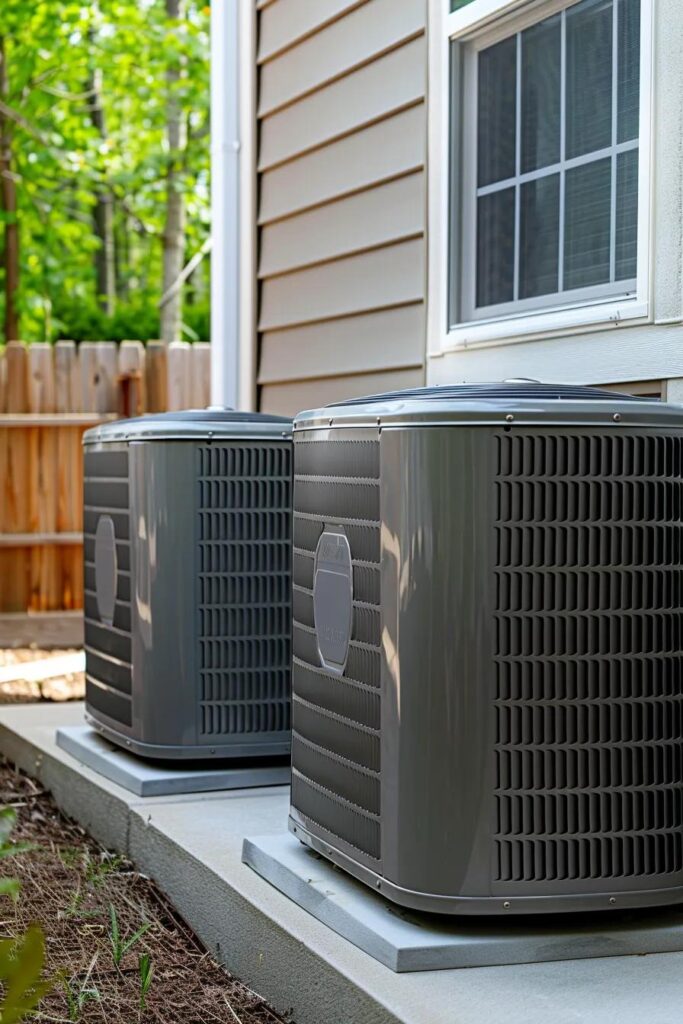
Your Guide to HVAC Energy Efficiency: Practical Steps to Cut Heating & Cooling Costs
Energy efficiency matters — especially when it comes to your heating, ventilation, and air conditioning (HVAC). This guide breaks down straightforward, practical ways to lower your heating and cooling bills. You’ll learn how efficiency ratings work, why regular tune-ups matter, when it’s smart to upgrade, what local incentives might help, and easy steps you can start using today to save energy and money.
HVAC Efficiency Ratings — What They Mean and How They Affect Your Bills
Efficiency ratings tell you how well a heating or cooling system uses energy. Common ratings you’ll see are SEER, AFUE, EER, and HSPF. Higher numbers usually mean the system uses less energy to do the same job, so understanding these labels helps you pick equipment that keeps comfort high and bills low.
What SEER, AFUE, EER, and HSPF Mean for Your System
| Rating | Definition | Importance |
|---|---|---|
| SEER | Measures cooling efficiency over a typical cooling season | Higher SEER usually means lower cooling bills |
| AFUE | Shows how efficiently a furnace converts fuel to heat | A higher AFUE means better fuel use and lower heating costs |
| EER | Ratings for efficiency at a specific peak cooling condition (often 95°F) | Useful for understanding performance during very hot days |
| HSPF | Measures a heat pump’s heating efficiency across a season | Higher HSPF can mean noticeable energy savings in heating |
Knowing these ratings helps you compare equipment honestly so you can choose a system that fits your home and budget. Making an informed decision about your HVAC system can lead to long-term comfort and significant energy savings. It’s a crucial step in optimizing your home’s overall energy performance.
How Energy Star Certification Affects HVAC Efficiency
Energy Star systems meet strict efficiency guidelines from the EPA and DOE. Choosing Energy Star equipment means less energy use for the same performance, lower utility bills, and a smaller carbon footprint. When shopping for a new unit, look for the Energy Star label as a quick sign it’s a more efficient choice. This certification provides a reliable indicator of a product’s energy-saving potential.
How Regular HVAC Maintenance Keeps Your System Efficient
Routine maintenance keeps your HVAC running smoothly and prevents small issues from turning into big repairs. Scheduling regular service — like tune-ups and inspections — helps your system use less energy and last longer. If you want to book a maintenance visit, we make it easy to get started. Consistent upkeep is key to maximizing your system’s lifespan and efficiency.
What Belongs on a Simple HVAC Maintenance Checklist?

- Change air filters: Fresh filters keep airflow steady and reduce strain on the system. This simple task significantly improves efficiency and air quality.
- Inspect ductwork: Fixing leaks and blockages prevents wasted conditioned air. Ensuring your ducts are sealed properly can lead to substantial energy savings.
- Clean coils: Clean evaporator and condenser coils improve heat transfer and efficiency. Dirty coils force your system to work harder, consuming more energy.
- Check refrigerant levels: Proper refrigerant ensures your cooling runs as designed. Incorrect levels can reduce cooling capacity and increase energy consumption.
- Test the thermostat: A working thermostat keeps temperatures steady and prevents unnecessary cycling. An accurately calibrated thermostat is crucial for maintaining desired comfort levels efficiently.
How Preventative Maintenance Lowers Your Heating and Cooling Costs
Preventative maintenance stops small problems from becoming big, expensive ones. A properly tuned system runs more efficiently, uses less energy, and lasts longer — all of which put money back in your pocket. If you see warning signs, contact us early to avoid higher repair bills later. Addressing minor issues promptly can prevent major system failures and costly emergency repairs.
Newer approaches like predictive maintenance — which use data and algorithms to spot issues before they fail — can unlock additional energy savings and reduce unexpected downtime. These advanced techniques leverage technology to anticipate problems, allowing for proactive interventions. Implementing predictive maintenance can significantly enhance system reliability and operational efficiency.
When Should You Upgrade Your HVAC for Better Efficiency?
Upgrading makes sense when your system is old, breaks frequently, or no longer keeps your home comfortable without using a lot of energy. Replacing an inefficient unit with a modern, high-efficiency model can cut energy use and often pays back over time through lower bills. This investment not only improves comfort but also contributes to a more sustainable household. Consider an upgrade if your current system is over 10-15 years old.
How Heat Pumps Stack Up Against Furnaces
Heat pumps move heat instead of creating it, so they’re typically more efficient than furnaces in moderate climates. Furnaces burn fuel to make heat and can be less efficient overall. In very cold areas, heat pumps may need backup heat. Factor in your local climate and energy prices when choosing between a heat pump and a furnace — and talk to a pro if you’re unsure. Consulting with an HVAC expert can help you determine the best system for your specific needs and regional conditions.
Benefits of a Smart Thermostat

Smart thermostats make it easier to save energy without sacrificing comfort. They let you schedule temperature changes, reduce wasted heating or cooling when no one’s home, and can learn preferences over time. For many homes, a smart thermostat quickly pays for itself in energy savings. These devices offer unparalleled control and insights into your energy consumption patterns.
Local Incentives and Financing for Energy-Efficient HVAC Upgrades
Local utilities and government programs often offer rebates, tax credits, or financing to help offset the cost of energy-efficient HVAC upgrades. These incentives can make higher-efficiency equipment much more affordable up front. Exploring these options can significantly reduce your initial investment and accelerate your return on energy savings. It’s always wise to check what programs are available in your area.
Rebates and Programs Available in Tulare and Nearby Areas
- Utility rebates: Local energy providers sometimes offer rebates for installing Energy Star-rated systems. These programs are designed to encourage homeowners to adopt more energy-efficient technologies.
- State incentives: State programs may provide extra support for energy-saving upgrades. These initiatives can further reduce the financial burden of investing in high-efficiency HVAC.
- Tax credits: Federal tax credits — like the Residential Energy Efficient Property Credit — can reduce your overall cost. Taking advantage of these credits can make a significant difference in the total investment.
Check current offers and available promotions to maximize savings on a new system. These opportunities can make a significant difference in the overall cost of your upgrade. Don’t miss out on potential financial benefits that can make energy efficiency more accessible.
How Flexible Financing Makes Upgrades Easier
Financing plans let you spread the cost of a new system over time, making efficient equipment more accessible. Many providers offer low-interest or deferred-payment options so you can start saving on energy right away without a large upfront expense. Learn more about financing at our finance page. These flexible payment solutions ensure that energy-efficient upgrades are within reach for more homeowners.
Top HVAC Energy-Saving Tips to Lower Your Home Energy Costs
Small changes add up. Here are practical actions that deliver real savings: By implementing even a few of these tips, you can start seeing a positive impact on your energy bills. Consistent effort in these areas will yield the best results.
- Optimize thermostat settings: Keep temps a few degrees higher in summer and lower in winter when possible. This small adjustment can lead to noticeable reductions in your energy consumption.
- Seal ducts: Close gaps in ductwork to prevent conditioned air from escaping. Proper duct sealing ensures that the air you pay to heat or cool actually reaches your living spaces.
- Insulate your home: Good insulation keeps your home comfortable and reduces HVAC runtime. Adequate insulation acts as a barrier, preventing heat transfer and maintaining stable indoor temperatures.
- Use ceiling fans: Fans improve comfort so you can raise the thermostat in summer or lower it in winter. They create a wind-chill effect, making you feel cooler without significantly lowering the thermostat setting.
Optimizing Thermostat Settings and Airflow
Small thermostat tweaks and clear vents can make a big difference. Try raising or lowering the setpoint a few degrees and keep vents open and unobstructed so air reaches every room. Regular checks and simple adjustments often translate to noticeable savings. These minor adjustments contribute significantly to overall system efficiency and comfort.
Why Duct Sealing and Insulation Matter
Leaky ducts let conditioned air escape before it reaches living spaces, wasting energy and increasing costs. Properly sealing and insulating ducts — and improving attic and wall insulation — helps your system work less while keeping your home more comfortable. This comprehensive approach ensures that your home retains conditioned air effectively. Investing in good insulation and duct sealing is a foundational step for energy efficiency.
Take the Next Step Towards Energy Savings
Improving your HVAC efficiency saves money and helps the environment. Learn your system’s ratings, keep up with regular maintenance, look into local incentives, and consider smart upgrades like heat pumps or smart thermostats. Start with a few simple changes today — they add up to long-term comfort and lower bills. Taking these steps will not only enhance your home’s comfort but also contribute to a more sustainable future. Explore our resources to find the best options for your home.