




Effective Indoor Air Quality Tips for a Healthier Home
Indoor air quality is simply how clean and safe the air inside your home feels. Improving it lowers allergens and odors, reduces health risks, and can make your living space more comfortable and efficient. This guide walks through the most common causes of poor indoor air, the technologies that capture or neutralize pollutants, the role of ventilation and humidity control, and when professional duct services make a measurable difference. Many homeowners around Tulare deal with seasonal agricultural dust, pollen, and swings in humidity that can worsen allergy and breathing symptoms, so local, practical actions matter. You’ll find easy DIY checks and longer-term upgrades — from MERV filter improvements and whole-home purifiers to ERV/HRV ventilation and professional duct cleaning — plus why each step helps. At the end we explain how we can help schedule an assessment and outline flexible financing options if you need them.
What Are the Common Causes and Signs of Poor Indoor Air Quality?
Poor indoor air quality happens when pollutants build up faster than they’re removed. That usually stems from limited ventilation, dirty HVAC components, or high indoor humidity that encourages mold and dust mites. Those conditions increase exposure to particles and volatile organic compounds (VOCs), which can trigger allergy or respiratory symptoms and make your home feel less comfortable. Spotting the causes helps you target fixes that improve air, save energy, and extend equipment life. The next section lists the most common pollutants and where they typically come from so you can pinpoint likely sources in your home.
Which Pollutants and Allergens Affect Your Home’s Air Quality?
Indoor pollutants fall into three broad groups: particles, biological contaminants, and gases. Particles include dust, pollen and the agricultural dust common in Tulare — these get tracked inside on clothes and through gaps and can worsen allergies. Biologicals like mold spores and dust mites thrive in damp, poorly ventilated spaces and can cause ongoing sneezing, coughing or asthma flares. VOCs come from cleaning products, paints and new furnishings and often cause headaches, irritation or persistent odors. Knowing these categories makes it easier to choose targeted solutions — for example, switching products, improving filtration, or increasing ventilation.
How Can You Recognize Symptoms of Poor Indoor Air Quality?
Common signs are frequent sneezing or itchy eyes, regular headaches, odd or musty odors, and visible dust on surfaces — often these appear before any measurements. Environmental clues include uneven room temperatures, condensation on windows, or dust blowing from vents when the system starts, which can point to ventilation or duct problems. If household members feel better away from the house, that’s a strong sign the issue is indoors. When basic steps like changing filters and airing rooms don’t help, it’s time for a professional check for filtration upgrades, ventilation improvements or duct cleaning to find and fix the root cause.
How Do Advanced Air Filtration and Purification Systems Improve Indoor Air Quality?
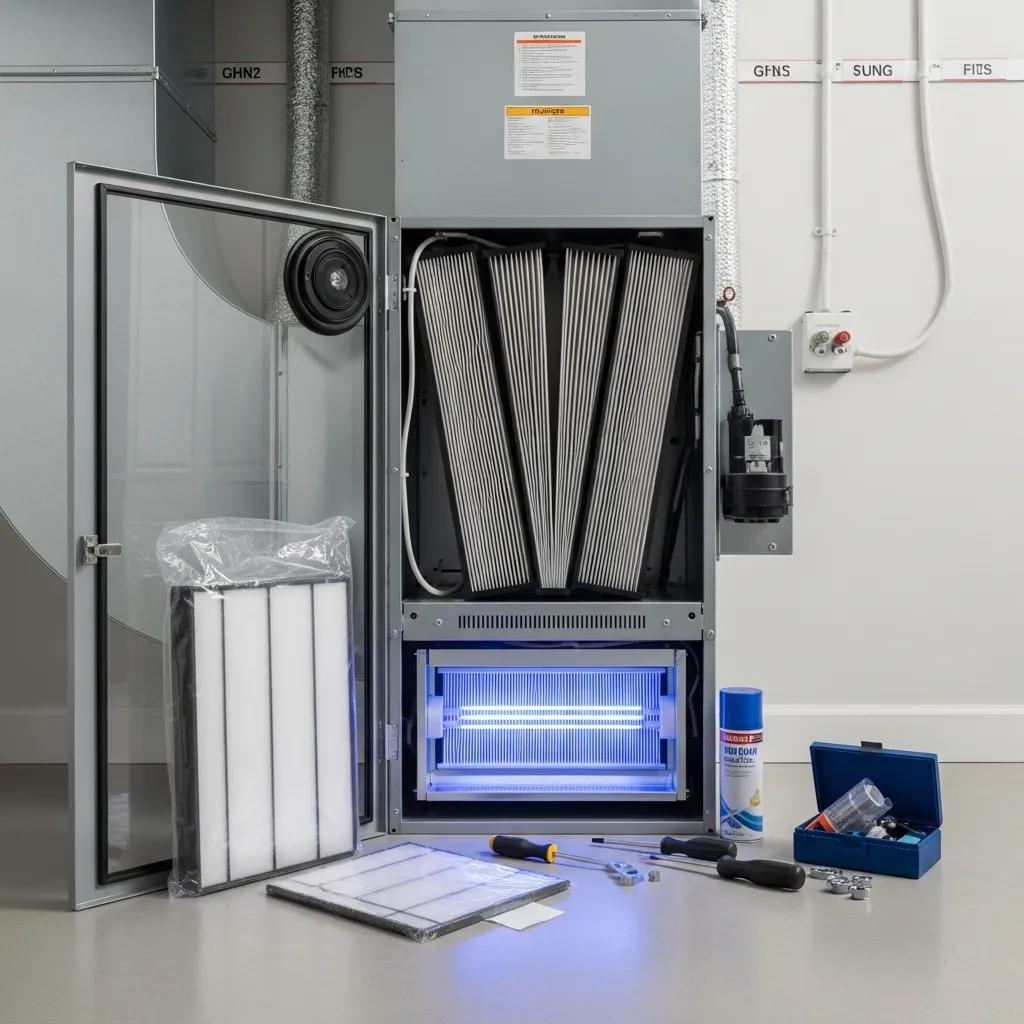
Advanced filtration and purification systems work inside your HVAC system to capture or neutralize particles and biological contaminants, lowering airborne exposure and keeping circulated air cleaner. Mechanical filters trap particles in the airstream, while technologies like UV germicidal lights inactivate microbes on coils and surfaces to reduce regrowth. Those improvements can reduce allergens and odors and help keep coils and ducts cleaner, which supports HVAC efficiency. Below we compare common options and explain practical benefits and maintenance trade-offs so you can pick what fits your home.
What Are the Benefits of Whole House Air Purification Systems?
Whole-house purifiers tie into your duct system and treat the entire home’s airflow, unlike portable units that only cover single rooms. By cleaning the full airstream, whole-home systems lower particulate levels, limit the spread of pet dander and pollen, and reduce microbial loads that cause odors and allergy triggers. That steady protection means less spot-cleaning, helps keep system components cleaner, and can translate to fewer service calls over time. For homeowners who want broad, low-maintenance coverage, whole-house purification is a convenient, effective option.
How Do HVAC Air Filter Upgrades and UV Lights Enhance Air Cleaning?
Upgrading to higher-efficiency HVAC filters captures finer particles, while UV germicidal lights focus on microbial contaminants on coils and in drain pans. MERV ratings give a clear efficiency scale — higher MERV filters stop smaller particles but can restrict airflow if not matched to your system, so a professional assessment is important. UV lights help prevent microbial buildup on cooling coils, improving heat transfer and reducing the chance of recurring mold odors after a cleaning. The right mix balances particle capture, airflow, maintenance needs and energy use so your system works well year-round.
Different filtration and purification options offer different mechanisms and benefits:
- Mechanical Filters (MERV-rated): Trap particles by size to cut dust and pollen throughout the house.
- HEPA-equivalent Whole-Home Units: Deliver high-efficiency particle removal when properly integrated with the HVAC system for allergy relief.
- UV Germicidal Lights: Use UV-C to neutralize microbial growth on coils and surfaces, reducing odors and regrowth.
These technologies work best together in many homes; choosing upgrades should follow an assessment of system compatibility and your air-quality goals.
Introductory comparison of filtration and purification options:
| Filter Type | Characteristic | Typical Benefit |
|---|---|---|
| MERV 8–13 Filters | Mechanical particle capture with increasing efficiency | Cuts dust and pollen while keeping airflow manageable |
| HEPA-equivalent Whole-Home | High-efficiency particle removal when integrated correctly | Major reduction in allergens throughout the home |
| UV Germicidal Light | UV‑C exposure of coils and airstream | Reduces microbial growth and odors, helps preserve coil performance |
This comparison helps you weigh capture versus neutralization and shows why a combined strategy often delivers the most consistent, sustainable results.
After outlining these technologies, we describe practical options we offer. We install whole‑home purifiers, upgrade HVAC filters to higher MERV ratings where the system allows, and add UV lights when microbial control is needed. We recommend a system assessment to confirm compatibility and expected benefits and can schedule evaluations tailored to your home and local air conditions in Tulare. Our team uses an evidence-based approach to balance cleaner air with proper airflow and energy efficiency.
Why Is Proper Ventilation and Humidity Control Essential for Better Indoor Air?
Proper ventilation dilutes indoor pollutants by bringing in fresh outdoor air and exhausting stale air, while humidity control prevents conditions that favor mold and dust mites. Together, these systems keep air safer and more comfortable, protect building materials, and reduce the need for repeated cleaning. Addressing ventilation and humidity as part of an overall IAQ plan helps sustain improvements rather than offering only temporary relief. Below we explain how ERV/HRV systems work and what humidity levels support both comfort and health.
How Can Ventilation Systems Like ERVs and HRVs Bring Fresh Air Indoors?
Energy recovery ventilators (ERVs) and heat recovery ventilators (HRVs) exchange stale indoor air for fresh outdoor air while transferring heat — and in the case of ERVs, some moisture — between the streams. That gives you fresh, filtered outside air with much smaller energy losses than opening windows. ERVs are often better where humidity control matters, while HRVs focus mainly on heat exchange and suit drier climates; local conditions in Tulare determine the best choice. Professional installation and balancing ensure these systems improve air quality and reduce HVAC load while keeping ventilation controlled and efficient.
What Are the Ideal Indoor Humidity Levels and How Do Humidifiers or Dehumidifiers Help?
Keeping indoor humidity around 30–50% helps prevent mold and limits dust mite activity while avoiding overly dry air that causes discomfort and static. Whole‑home humidifiers add balanced moisture during dry months to prevent throat irritation and wood shrinkage, while whole‑home dehumidifiers remove excess moisture in humid seasons to stop mold and musty odors. A simple humidity monitor tells you when to run these systems, and professional sizing and installation ensure consistent control. Regular maintenance of humidifier tanks and dehumidifier drain paths prevents microbial growth and keeps systems working properly.
We also install and service ventilation and humidity control equipment, including ERV/HRV systems and whole‑home humidifiers or dehumidifiers when they make sense for your house. After a focused assessment we’ll recommend the right equipment for your layout and local climate, and we offer options to schedule an on-site evaluation and discuss financing if needed. Our approach focuses on reducing pollutant sources first, then supporting that with controlled ventilation and humidity to sustain measurable IAQ improvements.
When Should You Consider Professional Air Duct Cleaning Services to Improve Air Quality?
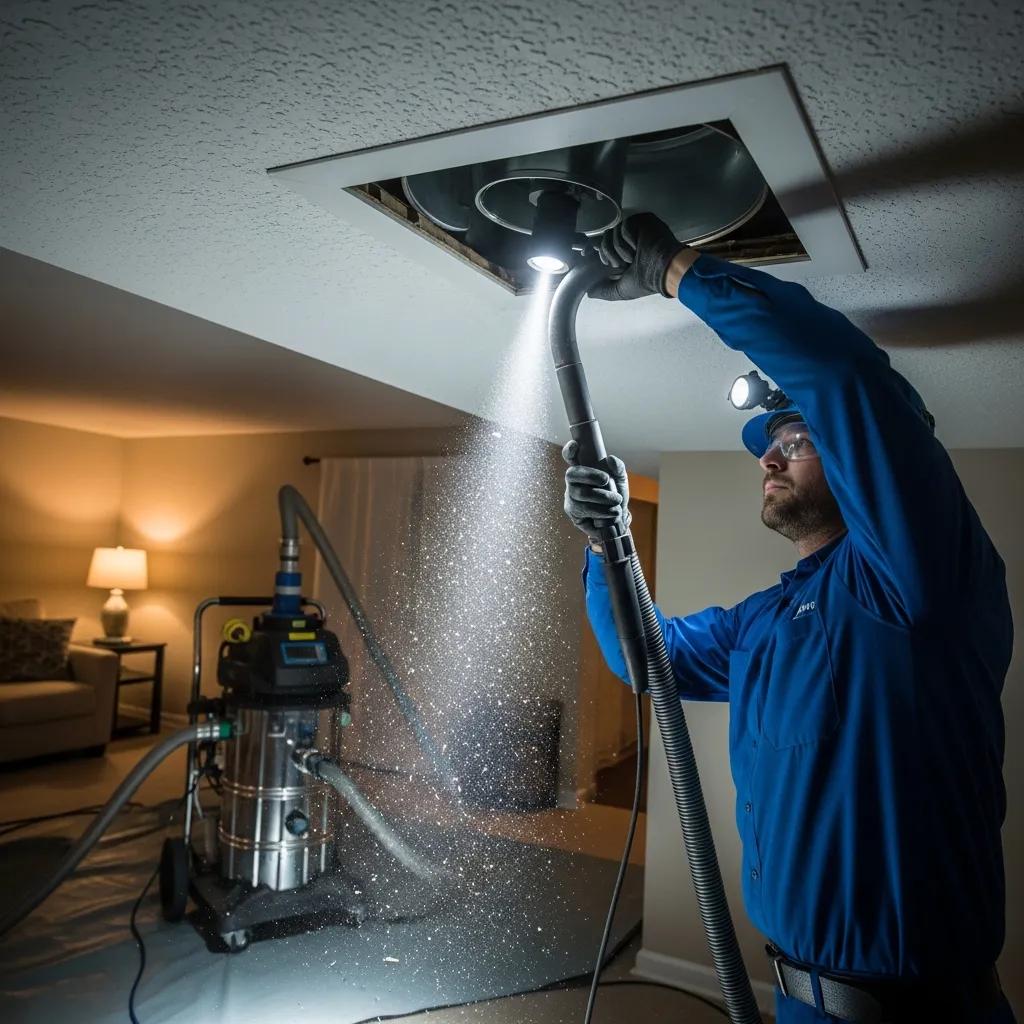
Consider professional duct cleaning and duct sealing when ducts are visibly dusty, emit persistent odors, or household members have unexplained allergy or respiratory symptoms. Dirty or leaky ducts can circulate pollutants and force your HVAC system to work harder. Cleaning removes accumulated debris and biological material, and sealing stops dust and pests from entering the ductwork — improving both indoor air and system efficiency. Timely service can restore airflow balance, reduce dust re‑deposition, and help equipment run more effectively, delivering comfort and energy benefits. The following sections explain what the cleaning process removes and list clear signs that indicate service is likely needed.
How Does Air Duct Cleaning Remove Pollutants and Improve HVAC Efficiency?
Professional duct cleaning uses mechanical agitation and negative-pressure containment to dislodge and remove dust, pet hair, mold spores and other debris from duct surfaces and plenums. Removing that buildup cuts the volume of particles recirculated through your home. Clearing blockages on return paths and supply registers can restore intended airflow and reduce stress on blower motors, which may improve heating and cooling performance. Technicians protect living spaces during the work and often inspect related components like furnace coils and drip pans to flag issues that affect IAQ. After cleaning you should notice less dust settling on furniture and steadier airflow — signs of real improvement.
What Are the Signs That Your Air Ducts Need Cleaning or Sealing?
Watch for steady dust from registers, visible rodent or insect evidence inside ducts, musty or moldy odors when the system runs, and uneven room temperatures — these are strong indicators ducts need attention. If allergy symptoms jump without a seasonal reason, or debris appears on supply grilles soon after cleaning, the problem may be contaminated ducts or leaks drawing in pollutants. When inspection confirms heavy buildup or leaks, cleaning followed by sealing and targeted repairs typically provides the best long‑term results for IAQ and system performance. We can evaluate your ducts, provide a clear quote, and offer same‑day service and financing plans to make it easier to act quickly.
Before the table below, here is a quick summary of duct cleaning benefits and the expected impacts across common contaminants.
| Contaminant Removed | Impact on Indoor Air Quality | Effect on HVAC Efficiency |
|---|---|---|
| Dust and Debris | Reduces airborne particle recirculation | Improves airflow and reduces blower strain |
| Mold Spores | Lowers biological triggers and musty odors | Helps prevent coil fouling and restores heat transfer |
| Pet Dander | Lowers allergen levels throughout the home | Reduces frequent filter clogging and fan resistance |
Cleaning and sealing tackle both pollutant reduction and HVAC performance, which is why combining services is often the most effective route for lasting improvement.
We offer professional duct cleaning and duct sealing services designed to remove the contaminants listed above and boost system performance. We provide same‑day service options and clear financing choices to help you act quickly when IAQ concerns arise. Our technicians are licensed and focused on delivering measurable improvements in airflow and indoor air quality, and we recommend a follow‑up assessment after service to verify results. To schedule an indoor air quality assessment or learn about financing for recommended upgrades, contact our team at De Ochoa Heating & Air Conditioning by phone and we’ll help you pick the right next steps and arrange a visit that fits your schedule.
Conclusion
Cleaner indoor air reduces allergens, improves comfort and supports better health. By combining sensible steps — advanced filtration, proper ventilation, humidity control and regular duct care — you can create a healthier home. Take the first step by scheduling an assessment with our experienced team. Explore our services and financing options to find the solution that fits your home and budget.