




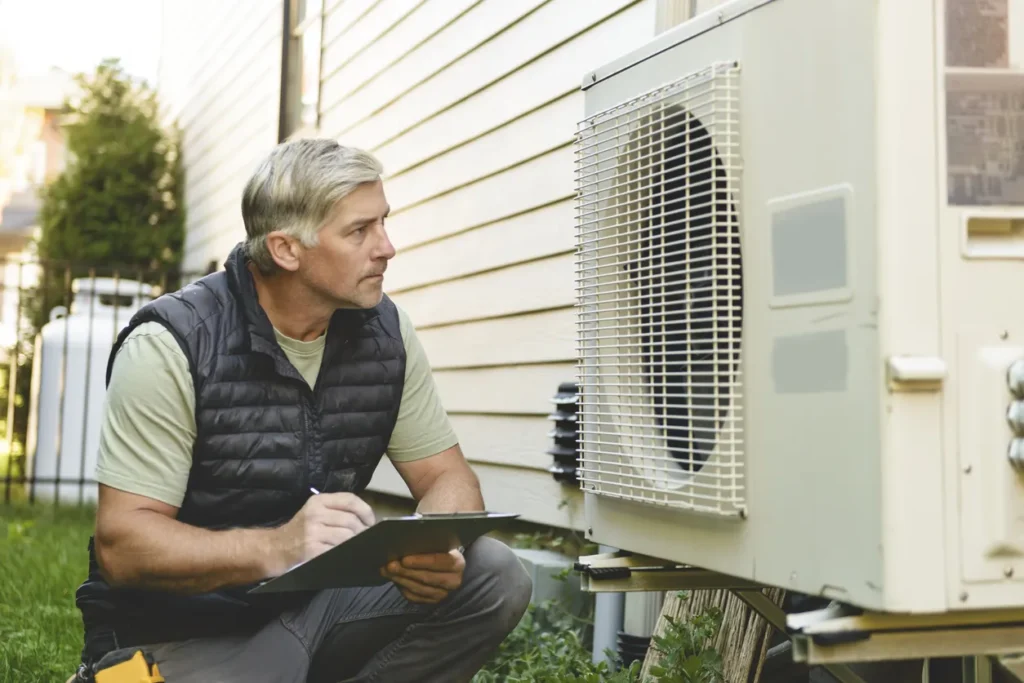
Essential Heat Pump Maintenance Tips for Lasting Efficiency
Keeping a heat pump running well is a mix of regular inspections, easy homeowner chores, and occasional professional tune-ups. Together, those actions cut energy costs, avoid surprise breakdowns, and help your system last longer. This guide walks through what maintenance looks like, why each step matters for efficiency and lifespan, which tasks you can safely do yourself, and which ones need a trained technician. Many homeowners see higher bills or uneven comfort when filters, coils, or refrigerant drift out of spec — routine care addresses those problems early. Below you’ll find how the parts work, a practical checklist with timing, seasonal tips for Central California, and clear signs it’s time to call a pro. We also explain how local service teams can help with more complex work and same-day repairs, and include simple tables and step-by-step lists so maintenance is easy to follow.
Why Regular Heat Pump Maintenance Pays Off for Efficiency and Longevity
Regular maintenance—cleaning, inspecting, and tuning—keeps heat transfer working right and prevents unnecessary wear. Clean filters and coils let air flow freely, the compressor runs with less strain when refrigerant is correct, and electrical checks catch small faults before they grow. Routine service usually lowers seasonal energy use and reduces premature wear on compressors and motors, which means fewer emergency calls and a longer replacement timeline. Knowing how these pieces interact helps you focus on the tasks that deliver real savings and steady comfort.
How Maintenance Boosts Efficiency and Lowers Costs
Maintenance restores proper airflow, improves heat exchange at the evaporator and condenser, and ensures correct refrigerant charge and controls. When the system can move air and transfer heat efficiently, it reaches set temperatures with less run time — that cuts electricity use and mechanical wear. Simple actions like changing a clogged filter or cleaning condenser fins can noticeably reduce compressor run time depending on the unit’s starting condition. Those gains show up as lower monthly bills now and slower component wear over time.
What Happens If You Skip Heat Pump Care?
Skipping maintenance lets dirt build up, increases friction on moving parts, and raises the risk of refrigerant leaks and compressor stress. Over time a dirty or restricted system can short-cycle, overheat, or ice up in cold weather — all of which lead to costly failures and shorter equipment life. In dusty Central California, coils and filters clog faster, which makes these problems worse. Seeing how small issues compound into big repairs makes scheduled upkeep a cost-effective choice.
Complete Heat Pump Maintenance Checklist for Homeowners
A good checklist groups tasks by how often they should be done and whether they’re DIY or need a pro. Homeowner-friendly items include checking filters, keeping debris away from the outdoor unit, watching thermostat behavior, and looking at the condensate drain. That focused routine keeps your system steady between professional visits and cuts the chance of emergency repairs. Below are clear steps and guidance for when to call a technician.
- Check the air filter every month; replace or clean it when it’s dirty to keep airflow steady.
- Remove leaves, grass, and plants from around the outdoor condenser at least once a month.
- Verify indoor airflow and thermostat schedules for consistent comfort and correct settings.
Staying on top of these simple items saves energy and prevents small problems from growing. When filters and clearances are kept up, annual professional checks can focus on diagnostics and preventive fixes.
The table below summarizes common tasks, how often to do them, and whether they’re DIY or require a pro.
| Task | Frequency | DIY or Professional |
|---|---|---|
| Air filter inspection/replacement | Monthly | DIY |
| Outdoor unit debris clearing | Monthly | DIY |
| Condensate drain check | Quarterly | DIY (or pro if clogged) |
| Coil inspection/cleaning | Annually | Professional recommended |
| Refrigerant leak detection | As-needed / annual diagnostic | Professional |
| Electrical and safety checks | Annually | Professional |
Keep this checklist handy so you can plan the right mix of DIY care and professional service. When basic tasks are done regularly, annual inspections are quicker and focus on preventing problems.
Many homeowners start with DIY steps, then call a licensed technician for tasks that need special tools or refrigerant handling. For professional help, De Ochoa Heating and Air Conditioning serves Tulare, Fresno, Kings County, and Kern City and can handle diagnostics, repairs, and tune-ups. If you notice ongoing performance issues or suspect a refrigerant leak, contacting a licensed tech is the safest next move.
Step-by-Step: Inspect and Clean Your Heat Pump Air Filter
Start by identifying the filter type and looking for visible dust build-up — a quick check often shows when airflow is restricted. Remove the filter per the unit’s manual, inspect both sides for dirt or damage, and if it’s washable follow the manufacturer’s cleaning steps using mild detergent and full drying. Replace disposable pleated filters when they’re visibly clogged or according to the recommended MERV schedule, and reinstall with the correct airflow direction. After servicing the filter, watch the system for improved airflow and shorter run cycles to confirm the fix.
Best Practices for Outdoor Unit Cleaning and Coil Care
Always turn off power at the disconnect before working on the outdoor unit. Clear surface debris like leaves, grass clippings, and dust to restore airflow. Use a soft brush or low-pressure water to remove light dirt from fins and coils — avoid bending fins or using high-pressure sprays that can damage delicate parts. If fins are bent or grime is heavy, stop and call a professional for fin straightening or chemical coil cleaning to protect the refrigerant circuit. Regular outdoor care keeps the condenser efficient and prevents small blockages from overworking the compressor.
When to Call a Professional for Heat Pump Service and Repair
Call a professional when problems go beyond basic checks—mechanical, refrigerant, or electrical faults need trained technicians who can diagnose and fix issues safely and correctly. Technicians handle refrigerant recovery and recharge, electrical safety testing, compressor diagnostics, and performance tuning with calibrated instruments. Early professional attention often fixes issues faster and prevents repeat calls, and it keeps work consistent with manufacturer requirements. Spotting warning signs early helps you decide when to bring in expert help.
- No heating or cooling when the system runs: could indicate compressor or reversing valve failure.
- Unusual loud noises (clanking, grinding): signs of mechanical wear or loose parts.
- Ice buildup on the outdoor unit: may point to defrost cycle or refrigerant problems.
If you see any of these symptoms, schedule professional service quickly to avoid bigger damage. Prompt diagnostics can cut downtime and reduce the chance of costly replacements.
Common Signs Your Heat Pump Needs Expert Repair
Look for steady loss of capacity, odd noises, frequent short-cycling, or oil stains near fittings that suggest leaks. Reduced airflow paired with higher electrical draw often signals failing motors or clogged coils and calls for a professional mechanical and electrical check. If the unit cycles without reaching set temperatures or the thermostat doesn’t match system response, controls or calibration may be the issue and require trained diagnosis. Spotting these patterns helps you prioritize prompt professional attention instead of prolonged DIY troubleshooting. For heating services in your area, consider reaching out to local experts.
How Professional Maintenance Helps Your System Last Longer
Pro maintenance finds and fixes small issues—loose connections, minor refrigerant imbalances, worn bearings—before they become major failures. Technicians perform tests on pressures, amperage, and temperature differences to confirm the system runs within manufacturer specs, reducing stress on components. Regular tune-ups also include lubrication, tightening, and replacing worn parts, all of which cut operating stress and extend compressor life. That preventative work means steadier comfort, fewer emergencies, and a clearer replacement timeline.
Best Practices for Heat Pump Filter Cleaning and Replacement
Choose filters that balance particle capture with minimal airflow restriction. Higher-MERV filters catch smaller particles but can reduce airflow if the system isn’t built for them; washable filters cut waste but need proper cleaning and drying to avoid mold. Set a filter schedule based on household use, pets, and local dust levels to keep airflow and indoor air quality optimized. The table below helps you choose the right filter type and frequency for your home.
| Filter Type | Recommended Replacement/Cleaning Frequency | Efficiency Impact |
|---|---|---|
| Disposable pleated (MERV 8-11) | Replace every 1–3 months | Good balance of particle capture and airflow |
| High-MERV disposable (MERV 12-13+) | Replace every 1–2 months | Better filtration, may reduce airflow if system not designed for it |
| Washable/reusable | Clean monthly and dry thoroughly | Lower ongoing cost, requires consistent maintenance |
| HEPA-compatible (system-specific) | Replace per manufacturer (6–12 months) | Excellent indoor air quality when system supports it |
Pick the correct filter based on your system and household needs; when unsure, check with a technician so you don’t restrict airflow. Proper filtration helps keep coils clean and preserves overall efficiency.
How Often to Replace or Clean Heat Pump Filters
Homes with pets, lots of dust, or allergy sensitivities need more frequent filter changes. In typical Central California homes, check filters monthly and replace every 1–3 months depending on how quickly they load up. Washable filters should be cleaned and fully dried each month to avoid microbial growth. If you notice reduced airflow, longer run times, or higher energy use, replace filters sooner. Regular checks keep filtration working for both efficiency and indoor air quality.
Which Filter Types Work Best for Heat Pump Efficiency?
For most systems, a pleated disposable filter with a moderate MERV (8–11) offers the best mix of particle capture and low airflow restriction. Higher-MERV filters improve air cleanliness but can strain blowers if the system wasn’t designed for them—ask a technician before upgrading. Washable filters are economical but need steady care to stay effective. If indoor air quality is a priority because of allergies, a technician can recommend a filter that keeps airflow steady while improving filtration.
How De Ochoa Heating and Air Conditioning Helps with Heat Pump Maintenance in Central California
De Ochoa Heating and Air Conditioning provides local heat pump service, repair, and maintenance to complement homeowner care. They handle diagnostics, refrigerant work, and full tune-ups, including preventive inspections, coil servicing, electrical safety checks, and system calibration to keep units running efficiently across Tulare, Kings County, Fresno, and Kern City. Their local presence makes same-day service possible for urgent repairs, and they operate under license number 1049311. Homeowners who prefer to leave complex or warranty-sensitive work to a pro benefit from written service plans and expert diagnostics.
Heat Pump Services De Ochoa Offers in Tulare, Fresno, and Kings County
De Ochoa offers routine tune-ups, diagnostic repairs, coil cleaning, refrigerant leak detection and repair, filter service, and performance optimization. Their services address common homeowner concerns like noisy operation, poor capacity, and seasonal preparation. Technicians perform electrical testing and calibrated refrigerant handling that homeowners should not attempt. Coverage across Tulare, Fresno, Kings County, and Kern City supports fast response when reliability matters. Their licensed status (license 1049311) reflects regulated practice for technical repairs.
How to Schedule Same-Day Heat Pump Service with De Ochoa HVAC
To request same-day service or book routine maintenance, have your unit’s model info, a short description of the problem, and a list of recent symptoms ready — that helps speed the diagnostic process. Call or submit an online request to their service team and describe whether it’s a total loss of heating/cooling, strange noises, or weaker performance so they can prioritize urgent calls. The technician will likely ask about recent maintenance and recommend steps that balance immediate fixes with preventive measures. Giving details up front helps De Ochoa bring the right tools and parts for same-day work.
Conclusion
Regular heat pump maintenance keeps your system efficient, lowers energy costs, and helps it last longer. Use the checklist above, watch for warning signs, and call a licensed technician when problems go beyond basic care. Proactive maintenance reduces repairs and keeps your home comfortable year-round. If you prefer professional help, schedule a tune-up to make sure your heat pump performs at its best.