




Keep Your Heat Pump Efficient and Lasting Longer — Essential Maintenance Tips
A heat pump moves heat between your home and the outdoors to warm or cool living spaces efficiently. Regular maintenance keeps that exchange working smoothly. In this guide, we’ll walk you through simple seasonal checks, practical DIY tasks, and the clear signs that mean it’s time to call a professional. The goal is the same: reduce wasted energy, lower your bills, and extend your system’s life. Many homeowners face higher costs and surprise breakdowns when basic care is skipped. Targeted maintenance improves airflow, protects refrigerant levels, and eases compressor stress. Read on for why maintenance matters, a safe DIY checklist, warning signs for expert help, and easy efficiency tips you can use at home.
Why Regular Heat Pump Maintenance Matters
Keeping your heat pump maintained makes heat transfer work as intended and keeps the compressor from working harder than it should. When coils and filters are clean and refrigerant is correct, the system runs more consistently, uses less energy, and is less likely to fail mid-season. Maintenance also helps indoor air quality by keeping dust and debris out of the system — a real benefit in dusty areas. Below are the main, measurable benefits homeowners see from staying proactive.
Heat pump maintenance delivers these primary benefits:
- Lower energy use and smaller utility bills after cleaning and tuning restore efficiency.
- Fewer surprise breakdowns because wear and issues are caught early during inspections.
- Better comfort and air quality thanks to proper airflow and clean filters.
Those outcomes give a clear reason to act before small problems grow. The next section explains what a professional tune-up includes and why it’s worth scheduling.
What a Professional Heat Pump Tune-Up Gives You
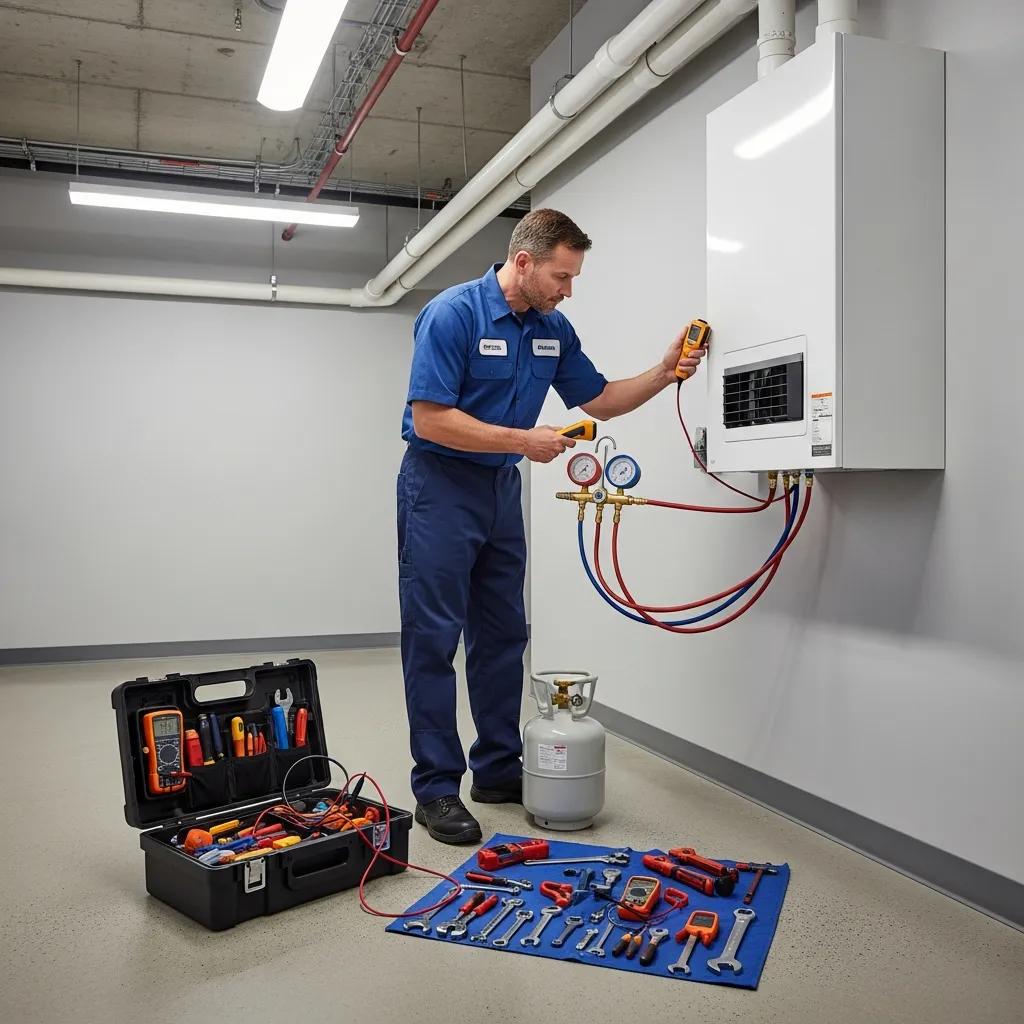
A professional tune-up checks refrigerant levels, tests electrical connections, cleans coils, and measures airflow to bring the system back toward factory performance. Those tasks reduce strain, shorten run times, and lower energy use while helping prevent compressor failure. Technicians also check defrost cycles and thermostat operation so the system runs well in both heating and cooling seasons. Regular professional service turns routine checks into dependable savings and fewer emergency repairs — benefits DIY steps alone can’t fully guarantee.
Risks of Skipping Heat Pump Maintenance
Skipping maintenance lets filters and coils get clogged, which cuts efficiency and forces the heat pump to run longer — and cost you more on energy. Over time, restricted airflow and electrical wear increase the chance of component failures that lead to costly repairs or early replacement. Moisture and debris can also harm heat-exchange surfaces, reducing comfort and possibly worsening indoor air quality. Catching these problems early saves money and helps avoid emergency service calls during peak weather.
At De Ochoa Heating and Air Conditioning, we know how important reliable heating and cooling is in Tulare and nearby counties. That’s why we offer heat pump maintenance and service designed for local dust and climate. Our technicians perform full inspections, coil cleaning, refrigerant checks, and airflow optimization. For homeowners who want professional care, we provide same-day service options, flexible financing, and periodic promotions to keep maintenance affordable while protecting comfort and efficiency.
Key DIY Steps for Heat Pump Maintenance
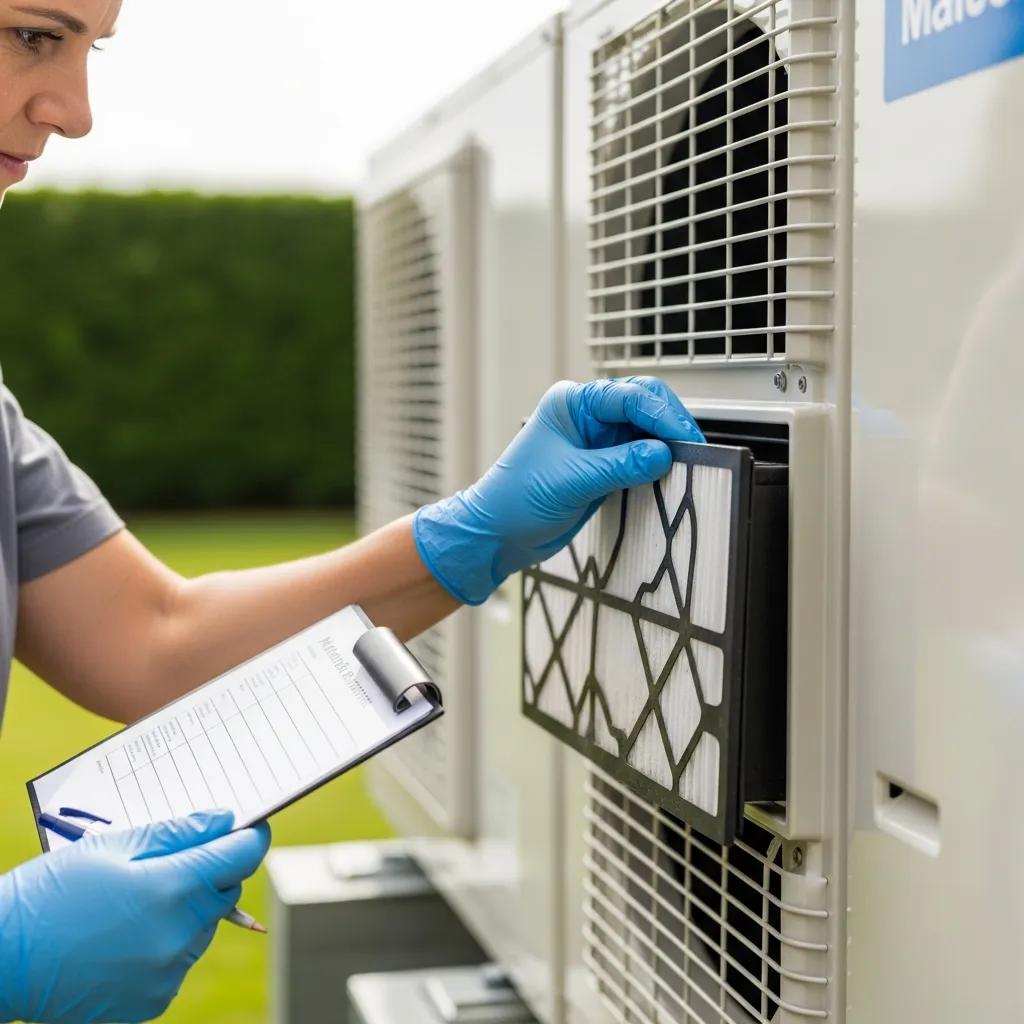
A DIY checklist focuses on safe, repeatable tasks that keep your system running well between professional tune-ups. Start with monthly checks, follow seasonal startup and shutdown routines, and keep the area around the outdoor unit clear so airflow isn’t blocked. The short list below covers essential tasks you can do without special tools.
Monthly and seasonal DIY tasks to keep your heat pump running:
- Check and clean or replace filters to keep airflow steady and protect coils.
- Remove vegetation and debris from around the outdoor unit so air can move freely.
- Visually inspect wiring and panels for discoloration or loose connections before restoring power.
These basic steps reduce the chance of sudden performance drops. The next section covers how often to change filters based on local conditions.
How Often to Clean or Replace Heat Pump Filters
Check filters every month and plan to replace them every one to three months depending on use, pets, and the dust common in Tulare and nearby valleys. Homes with pets or heavier dust will need more frequent replacements to keep airflow normal and prevent coils from soiling. Clean filters reduce compressor strain and improve indoor air quality, producing measurable energy savings over a season. Follow the manufacturer’s guidance for your filter type and set a calendar reminder so you don’t forget.
How to Clean Coils and the Outdoor Unit Safely
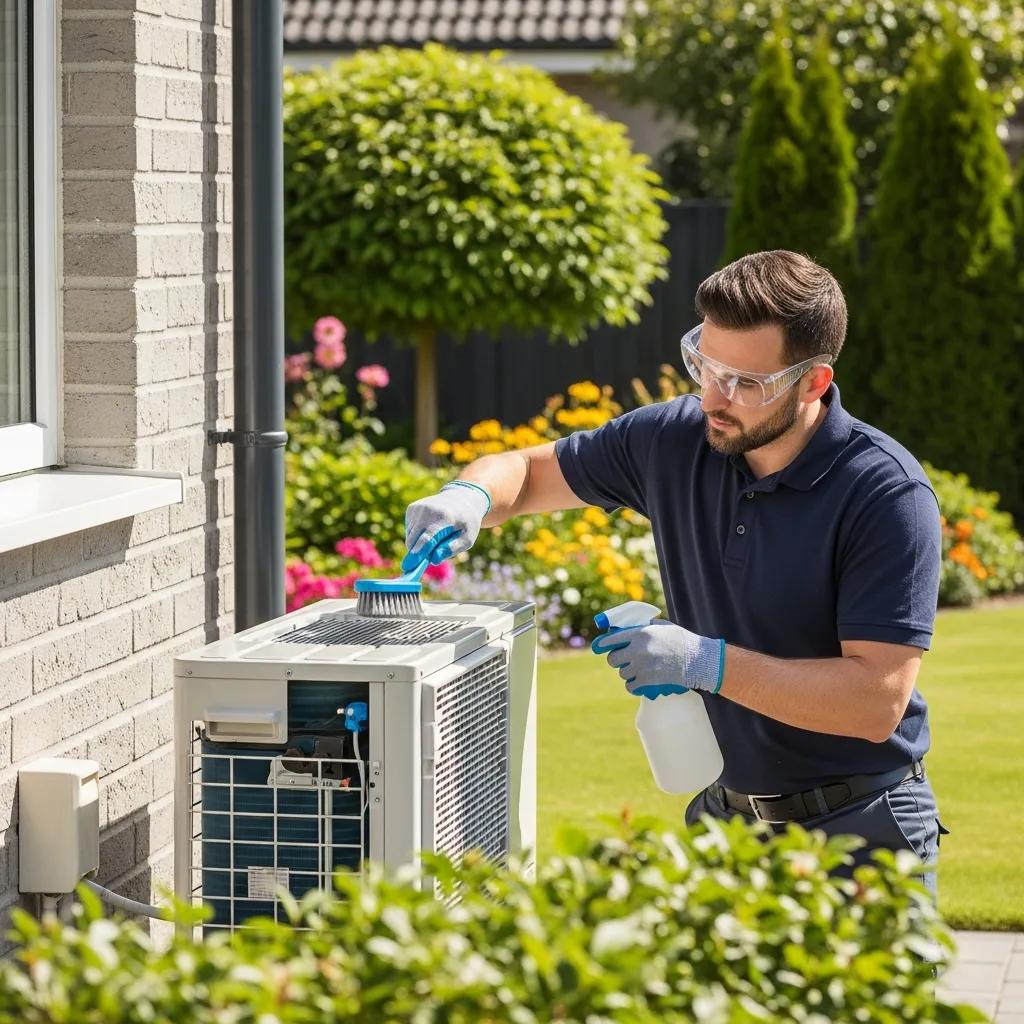
Always shut off power at the breaker before cleaning coils or opening the outdoor cabinet, and wear gloves and eye protection. Brush away surface debris and leaves with a soft brush, and use a gentle coil cleaner or a low-pressure water rinse — avoid high-pressure washers that can bend the fins. If fins are bent or corrosion appears, stop and call a professional — those issues and refrigerant problems need certified tools and training. Safe coil cleaning restores heat transfer and cuts run time, but leave complex repairs to trained technicians.
| Task | Frequency | Why it matters |
|---|---|---|
| Filter inspection and replacement | Check monthly; replace 1–3 months | Maintains airflow, protects coils, improves air quality |
| Outdoor unit debris removal | As needed; weekly during windy/dusty seasons | Prevents airflow restriction and compressor strain |
| Visual electrical and cabinet check | Seasonal before peak use | Identifies loose wiring or corrosion before failure |
These DIY tasks help you quickly address the most common issues. If a problem goes beyond your comfort level, scheduling professional service is the next step.
When to Call a Professional for Heat Pump Service
Call professionals when problems continue after basic DIY checks or when you see signs of electrical, refrigerant, or mechanical faults that need certified tools. Technicians diagnose symptom patterns, test refrigerant charge, inspect compressors, and perform safe electrical repairs. Getting help early prevents small issues from becoming major repairs and ensures work meets safety codes. The list below helps you prioritize when to act and the following section maps common warning signs to immediate steps.
Common urgent signs that need professional attention:
- No heating or cooling even though the fan runs, which can indicate refrigerant loss or compressor trouble.
- Unusual noises like grinding or loud rattling, suggesting mechanical wear or loose parts.
- Ice on the outdoor coil or visible refrigerant leaks, pointing to airflow or refrigerant problems.
These symptoms need prompt action. Use the table below to match what you see with likely causes and recommended responses.
Common Signs Your Heat Pump Needs Expert Repair
Poor performance, frequent short cycling, strange noises, or rapidly rising energy bills are all signals that professional diagnosis is needed. If a quick filter check doesn’t fix the issue, shut the system down and schedule service to avoid further damage. Ice on the coils or a refrigerant smell are safety concerns that require immediate attention because they can indicate leaks or an imbalanced system. Addressing these signs quickly reduces the risk of compressor failure and extends system life.
What Our Certified Technician Covers in a Tune-Up
On a tune-up, a certified technician performs electrical safety checks, verifies refrigerant levels, cleans coils, measures airflow, and tests defrost and thermostat operation to restore proper performance. Each step delivers homeowner benefits: safer operation, better efficiency, fewer emergency calls, and longer equipment life. Our techs follow standardized checklists and testing methods so results are consistent and reliable. Regular tune-ups at recommended intervals help preserve comfort and lower total lifecycle costs.
| Symptom | Likely cause | Recommended action (DIY vs. Professional) |
|---|---|---|
| Low output / long runtimes | Dirty coils, low refrigerant | DIY: check filter; Professional: refrigerant & coil service |
| Loud grinding or banging | Mechanical failure | Professional: inspect motor and moving parts |
| Frequent short cycling | Electrical or control faults | Professional: diagnostic testing and controls repair |
Use this table to decide when to stop DIY work and call trained technicians for safe, effective repairs.
How to Maximize Heat Pump Efficiency and Lower Energy Use
Maximizing efficiency mixes the right thermostat strategy, regular maintenance, and simple home improvements that reduce heat loss and system workload. A programmable or smart thermostat, clean airflow, and scheduled professional tune-ups each cut runtime and energy use. Combining these steps gives the best results because each one reduces a different source of waste. The short list below highlights practical steps you can take today.
Key efficiency strategies to implement:
- Set modest setpoints and use setbacks to cut runtime when you’re away or asleep.
- Keep filters and coils clean to preserve heat transfer and airflow.
- Schedule annual professional tune-ups to catch small issues before they raise energy use.
Thermostat Settings That Help Heat Pump Performance
With heat pumps, small setpoint changes and gradual temperature shifts keep the system in its most efficient range. Avoid big swings that force long runs. Use setback schedules for away or sleep times but limit large drops in cold weather to prevent backup resistance heating. Smart thermostats designed for heat pumps can improve comfort and save energy by matching schedules to your routine. Proper thermostat control reduces waste while keeping your home comfortable.
How Regular Maintenance Affects Bills and System Life
Regular maintenance lowers energy use by restoring the system’s design efficiency — many homeowners notice reduced seasonal usage after cleaning and tuning. Preventive care also cuts mechanical stress and wear, which lengthens component life and reduces premature replacements. Experience shows consistent maintenance improves long-term reliability, and routine service often pays back through lower bills and fewer emergency repairs. Trustworthy maintenance turns modest, predictable costs into ongoing savings and peace of mind.
| Strategy | Expected impact on efficiency | Estimated energy savings (typical range) |
|---|---|---|
| Regular professional tune-up | Restores optimal performance | 5–15% seasonal savings |
| Clean/replace filters regularly | Improves airflow and heat transfer | 2–5% savings |
| Thermostat scheduling and smart control | Reduces unnecessary runtime | 5–12% savings |
These measures add up: combining filter care, smart setpoints, and regular professional service gives the most consistent savings and reliable performance.
We’re ready to help homeowners in Tulare, Kings County, Fresno, and Kern County who prefer professional support. Our technicians handle comprehensive heat pump maintenance, inspections, cleaning, and repairs with same-day service and flexible financing options when needed. Regular maintenance with trained professionals protects comfort, lowers energy costs, and extends system life — helping you avoid the urgent problems described above.
Essential Heat Pump Maintenance Tips for Peak Efficiency
Regular heat pump maintenance is the best way to keep your system efficient, cut energy costs, and extend equipment life. Combine simple DIY tasks with routine professional tune-ups to keep performance steady year-round. Don’t wait for a breakdown — take a few proactive steps now to protect your investment. Contact De Ochoa Heating and Air Conditioning to learn more about our maintenance plans and how we can help you keep your heat pump running reliably.