

Is Your Heater Failing to Keep Your Home Warm?

It is frustrating when you walk over to the thermostat, turn up the heat, and nothing happens. You expect your home to be a sanctuary from the outdoor elements, but a malfunctioning heater quickly turns your living room into a chilly environment. We understand that a broken heating system is more than just a minor inconvenience for you and your family.

When your system stops working correctly, it often happens without warning. You might notice the air coming from the vents is barely warm, or perhaps the system is making a sound you have never heard before. These issues usually point to a mechanical or electrical failure that requires an expert eye to diagnose.

Whether you are living in a newer development or a classic ranch home in Tulare, your comfort depends on a reliable heating unit. Our team is trained to handle the specific needs of homeowners in the Central Valley who deal with unique environmental factors. De Ochoa Heating & Air Conditioning can get to your home and solve your heating problems today.

Signs Your Heating System Needs a Professional Repair

Your Heater is Blowing Cold or Lukewarm Air

One of the most common complaints we hear is that the system is running, but the air coming out of the registers is not hot. This usually means the blower motor is working, but the heating element or burners are failing to ignite or stay lit. In a gas furnace, this often points to a dirty flame sensor or a faulty gas valve that is preventing the combustion process.

For those with heat pumps, cold air can indicate a refrigerant leak or a reversing valve that has become stuck in the cooling position. Because our air in places like Hanford and Porterville contains a lot of fine agricultural dust, these components can easily become coated and stop functioning. If the air is not warm, your system will run indefinitely to try and reach the set temperature, which puts immense strain on every part of the unit.

Strange Noises Like Banging, Grinding, or Squealing

Your heating system should operate with a steady, predictable hum. If you start hearing loud bangs when the heat kicks on, it might be a sign of delayed ignition. This happens when gas builds up before the ignitor finally catches, creating a small explosion that can eventually crack your heat exchanger.

Squealing or grinding noises are typically mechanical in nature and often involve the blower assembly. Squealing usually indicates a fan belt that is slipping or starting to fray, while grinding suggests that the bearings in the motor are failing. Addressing these sounds early can prevent a total motor seizure, which is a much more expensive repair than a simple belt replacement.

Unusually High Gas or Electric Bills

If you notice a sudden jump in your energy costs but haven’t changed your habits, your heater is likely losing efficiency. This happens when a component is struggling to perform its job, forcing the rest of the system to work twice as hard. A system that is coated in dust or has a failing capacitor will draw significantly more power to operate.

In the Tulare area, we often find that systems are working harder because they are fighting against restricted airflow or leaking ductwork. You are essentially paying for heat that never reaches your living space or for a motor that is burning through electricity just to stay at speed. A professional evaluation can identify where this energy waste is happening and restore your system to its peak performance levels.

Your Furnace Keeps Turning On and Off Repeatedly

Short cycling is a term used when a heater turns on, runs for a few minutes, and then shuts down before the house is actually warm. This is often a safety feature of the furnace designed to prevent it from overheating. If the internal temperature gets too high because of a lack of airflow, the limit switch will cut power to the burners to protect the unit.

While a dirty filter is the most common culprit, short cycling can also be caused by a malfunctioning thermostat or an improperly sized system. In homes from Fresno to Visalia, we see this issue frequently when homeowners haven’t had their internal coils cleaned in a long time. Constant cycling wears out the ignition controls and the blower motor much faster than normal operation.

Persistent Odors When the Heat is Running

It is normal to smell a slight dusty scent the very first time you turn your heater on for the year, but that smell should dissipate quickly. If you smell a persistent burning odor, it could be a sign of electrical components overheating or wires melting. This is a serious issue that requires immediate attention to ensure the safety of your home.

If you smell something metallic or like rotten eggs, you may have a gas leak or a failing component within the furnace cabinet. On gas units, the smell of sulfur is added to the gas so you can detect leaks easily. If you ever suspect a gas leak, you should turn off the system and leave the house immediately before calling for professional help.

What Is Actually Wrong With Your Heater? Common Causes We Find

Clogged Filters and Airflow Problems

The most frequent cause of heating failure is a simple lack of airflow. Your furnace or heat pump needs to move a specific volume of air to stay within its safe operating temperature. When a filter becomes clogged with the heavy dust common in our agricultural region, the system chokes and the internal components begin to bake.

A clogged filter doesn’t just make the system run longer; it can lead to the failure of the limit switch and even cause the heat exchanger to crack. We see this often in Farmersville and surrounding areas where the outdoor air quality is a constant factor. Replacing a filter is simple, but the damage caused by neglecting it can be permanent and costly.

The Impact of Agricultural Dust on Internal Components

The Central Valley is known for its productivity, but that also means the air is filled with fine particulates that find their way into your HVAC system. This dust settles on the blower wheel, making it heavy and unbalanced, which eventually destroys the motor bearings. It also coats the sensitive sensors that your furnace uses to verify that it is safe to operate.

When the flame sensor is covered in grime, it cannot “see” the flame, and it will shut the gas off as a safety precaution. This leaves you with a furnace that tries to start but fails after only a few seconds. We spend a significant amount of time cleaning these components to ensure they can communicate correctly with the control board.

Pilot Light and Electronic Ignition Issues

Older furnaces use a standing pilot light, which is a small, constant flame that ignites the main burners. If the thermocouple—a safety device that detects the heat of the pilot—is worn out, it will shut off the gas flow entirely. This is a very common failure point on older units found in established Tulare neighborhoods.

Modern furnaces use electronic ignitors, which are similar to the heating element in a toaster. These parts have a limited lifespan and can eventually crack or burn out, leaving the furnace unable to start. Our technicians carry a variety of these ignitors on their trucks because they are one of the most common reasons for a no-heat service call.

Faulty Thermostats and Communication Failures

Sometimes the heater itself is in perfect condition, but it isn’t receiving the signal to turn on. The thermostat is the brain of your heating system, and if its sensors are out of calibration or its internal wiring is loose, it won’t work. We often find that simple issues like dead batteries or a tripped circuit breaker are the real reason a home is cold.

In older Visalia homes, we frequently see thermostats that have become disconnected or have suffered from internal corrosion. Replacing an old, mechanical thermostat with a modern digital version often solves intermittent heating issues. We always check the control side of the system first to ensure we aren’t recommending expensive mechanical repairs for a simple electrical problem.

What to Expect When De Ochoa Visits Your Home

When our technician arrives at your door, they will start by asking you about the specific symptoms you have noticed. We want to know if you heard a noise, smelled an odor, or if the system simply stopped responding to the thermostat. This information helps us narrow down our search so we can find the root cause of the problem quickly.

The technician will then perform a thorough diagnostic of your entire heating system. This includes checking the electrical connections, testing the gas pressure, inspecting the heat exchanger for cracks, and measuring the airflow. At De Ochoa Heating & Air Conditioning, we believe in being thorough so that we don’t just fix the symptom, but solve the underlying issue.

Once the problem is identified, the technician will walk you through exactly what they found. We use plain language to explain the failure and show you the parts involved whenever possible. You will receive a clear, upfront price for the repair so you can make an informed decision before any work begins.

After the repair is completed, we don’t just pack up and leave. We run the system through a full heating cycle to ensure it starts smoothly, heats effectively, and shuts down correctly. We test the safety controls to make sure your home is protected and clean up our workspace so your house looks exactly as it did when we arrived.

Why Ignoring Heating Problems Costs You More in the Long Run

It is tempting to put off a repair if the heater is still “mostly” working, but this usually leads to more expensive problems later. A system that is struggling is a system that is wearing out its most expensive components. For example, a worn-out capacitor is a cheap part to replace, but if it fails completely, it can cause the blower motor to burn out.

Small issues like a vibrating fan or a minor ignition delay put physical stress on the heat exchanger. The heat exchanger is the most critical part of your furnace because it keeps combustion gases separate from the air you breathe. If it cracks due to excessive stress or overheating, the entire furnace usually has to be replaced for safety reasons.

There is also the matter of your monthly utility bills from Southern California Gas or Southern California Edison. A malfunctioning system is an inefficient system, and you are likely paying significantly more for your monthly energy than you should be. Addressing a repair now often pays for itself through lower energy costs over the rest of the season.

Safety is the most important reason to address heating issues immediately. Gas furnaces and heat pumps involve high-voltage electricity and, in many cases, flammable fuel and carbon monoxide. Ensuring that all safety switches and venting systems are working correctly is the only way to have true peace of mind while your family sleeps.

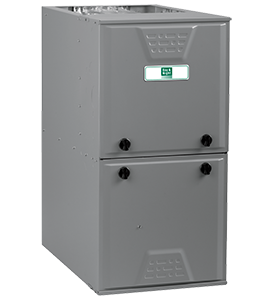
Heating system unit for installation, showcasing a modern furnace design, relevant to heating installation services in Tulare, CA.

Your Trusted Heating Experts in Tulare County

Our team has spent years working on the specific heating systems found throughout the Central Valley. We have seen everything from ancient floor furnaces to the latest high-efficiency heat pump technology. This local experience means we understand how the dust, heat, and humidity of our region impact your equipment’s lifespan.

We take pride in providing straightforward, honest service to our neighbors in Tulare, Visalia, and Hanford. We know that you are looking for a reliable fix that gets your home back to a comfortable temperature without any unnecessary stress. Our goal is always to provide a lasting repair that keeps your system running safely for years to come.

If your heater is acting up or has stopped working entirely, do not spend another night in a cold house. We have the tools and the expertise to diagnose the problem and get your heat back on quickly. De Ochoa Heating & Air Conditioning can get to your home and solve your heating problems today.

Contact Us Now to Schedule Your Appointment or Request a Free Quote

Schedule Expert Service Or Contact Us