



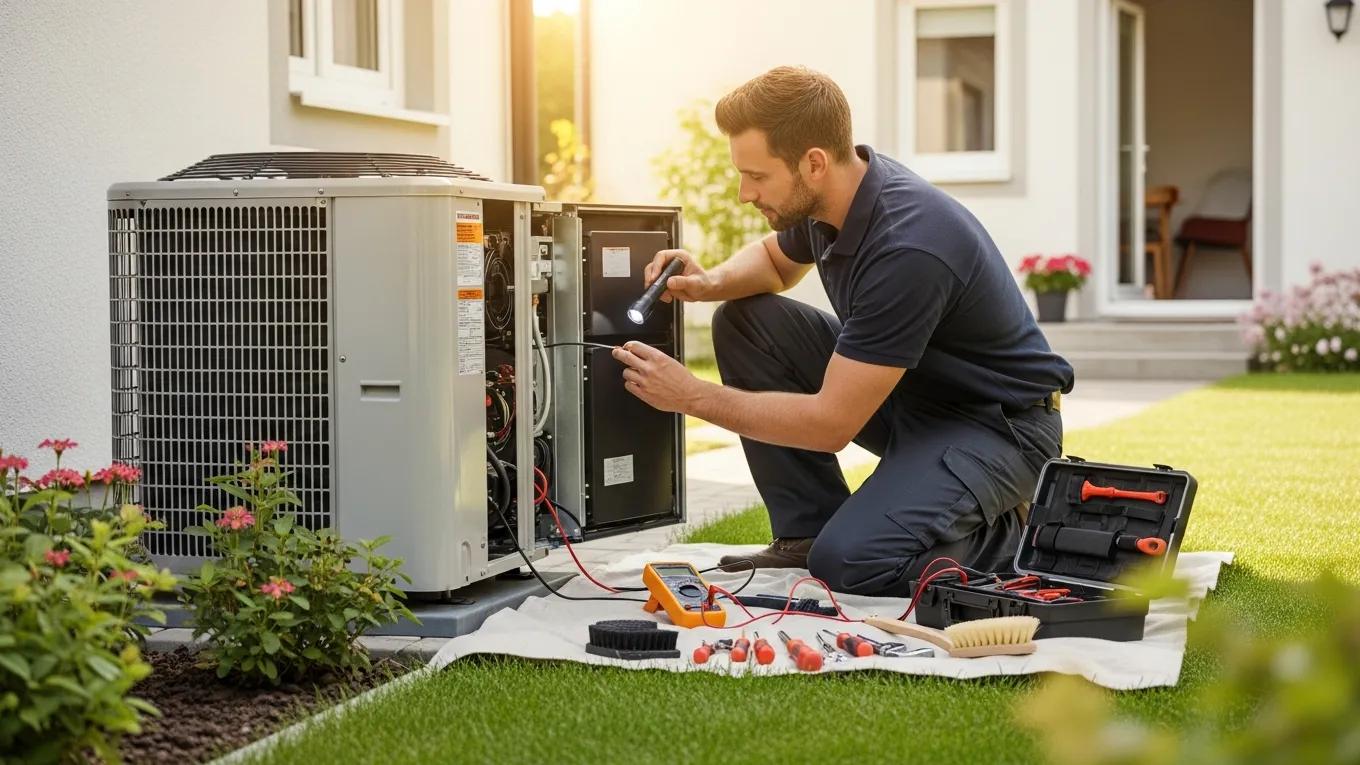
Your Seasonal HVAC Maintenance Checklist for Peak Performance: Essential Tips and Inspection Guide
At De Ochoa Heating and Air Conditioning, we understand that regular seasonal maintenance is key to preserving your HVAC system’s efficiency and extending its lifespan. Our practical tips and season-by-season checklist help you avoid increased energy costs and unexpected breakdowns. By following our recommendations, you can maintain reliable comfort in your home throughout the year. We cover essential seasonal tasks, best upkeep practices, and the importance of preventative maintenance.
We also recommend keeping a simple maintenance log to track service dates, parts replaced, and any unusual behaviour you observe. This record helps our technicians quickly identify recurring issues and provides a clear service history for warranty purposes. Even brief notes—such as the date, filter size changed, or any odd noises—help maintain continuity between your DIY checks and our professional visits.
Essential Tips for Seasonal HVAC Maintenance
To support reliable and efficient HVAC operation, we suggest the following:
- Regular Filter Changes: Changing your air filters every 1-3 months ensures optimal airflow and improves indoor air quality. Clean filters reduce strain on your system and help maintain designed airflow.
- Professional Inspections: Scheduling annual inspections with our qualified technicians allows us to identify potential issues early, preventing costly repairs and ensuring your system runs smoothly.
- Duct Cleaning: Regular duct cleaning removes dust and allergens, enhancing air quality and system efficiency. This is especially important if you notice increased allergy symptoms or visible dust buildup.
These practices help maintain consistent performance and energy efficiency. For professional service in Tulare, CA, contact De Ochoa Heating and Air Conditioning, your trusted local provider.
Seasonal Maintenance Checklist
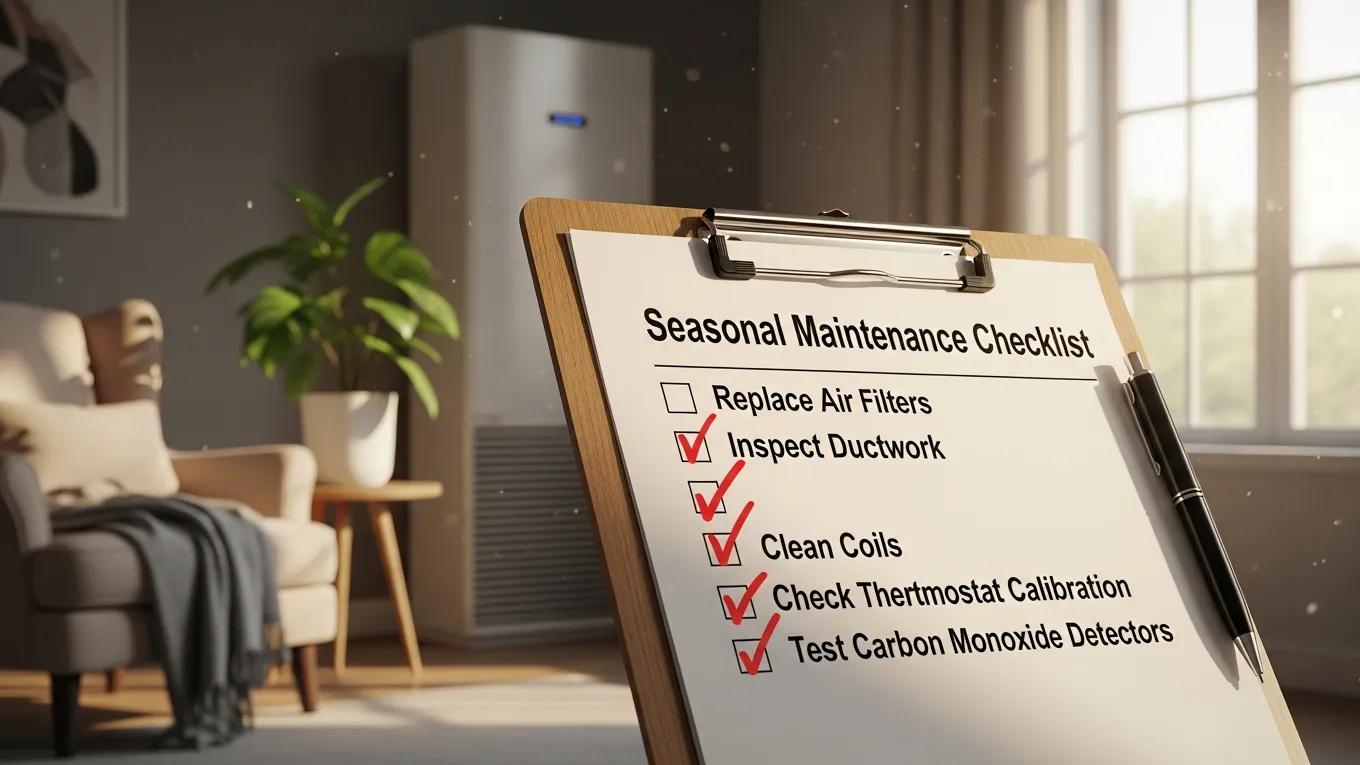
Using a seasonal checklist ensures your HVAC system is ready for changing demands. We recommend reviewing and scheduling these tasks each season.
Plan your maintenance with a calendar: set reminders for filter checks, schedule a spring cooling inspection and a fall heating tune-up, and clear debris around outdoor units after storms or windy weather. Keeping records of serial numbers, service dates, and replaced parts strengthens warranty tracking and supports accurate diagnostics if issues recur.
Spring
Prepare your system for warmer weather by cleaning and inspecting key components.
- Clean and Replace Filters: Clean filters promote efficient airflow and help your system perform optimally during the cooling season.
- Check Electrical Connections: Inspect and tighten any loose connections to prevent electrical problems that could disrupt operation.
- Inspect Condensate Drain: Clearing blockages in the condensate drain prevents water damage and ensures proper drainage.
Spring is also an ideal time to check the outdoor unit for winter debris, verify drain lines are clear, and test the cooling cycle before hot weather arrives. If you notice reduced cooling or unusual smells, please contact us for a professional inspection to avoid costly repairs later.
Summer
During peak cooling season, focus on maintaining cooling performance and outdoor unit condition.
- Test Cooling Function: Regularly test your system to ensure it cools effectively and maintains comfortable indoor temperatures.
- Check Refrigerant Levels: Adequate refrigerant is essential for optimal cooling; low levels can reduce efficiency and damage the compressor.
- Clean Exterior Unit: Remove debris and dirt from the outdoor unit to improve airflow and system efficiency.
Monitor indoor temperature consistency and listen for unusual compressor noises. Before calling for service, check thermostat settings and return-air vents. Keep vegetation and leaves cleared from around the condensing unit to maintain proper airflow and cooling capacity.
Fall
Transition your system to heating mode and address airflow and control components.
- Prepare System for Heating: Switch to heating mode and verify your system operates correctly to ensure comfort as temperatures drop.
- Inspect and Clean Ducts: Clean ducts to remove dust and allergens that circulate during heating, improving indoor air quality.
- Check Thermostat Battery: Replace thermostat batteries to maintain accurate temperature control throughout the heating season.
Fall inspections help prevent uncomfortable surprises. Test your heat source on a mild day, confirm programmable thermostat schedules match your winter occupancy, and seal any air leaks around exterior ducts or attic penetrations to reduce heat loss.
Winter
Ensure reliable heating and minimize heat loss during cold months.
- Ensure Proper Insulation: Check insulation around ducts and windows to prevent heat loss and improve system efficiency.
- Run Complete System Check: Test your heating system to confirm it operates effectively and safely.
- Tighten Loose Components: Inspect and tighten any loose parts to avoid operational issues and potential failures.
Keep vents unobstructed and verify safety devices like carbon monoxide detectors are functioning properly. If your system uses combustion fuel, inspect venting and pilot lights carefully. Should you detect unusual smells or suspect a leak, stop using the system immediately and contact us for service.
Best Practices for Maintaining HVAC Systems
We encourage a proactive maintenance approach to reduce breakdowns and improve efficiency.
- Energy Efficiency Strategies: Use programmable thermostats and energy-efficient appliances to lower energy consumption and costs.
- Monitor System Performance: Regularly observe your system’s operation to identify any irregularities early.
- Invest in Maintenance Plans: Enroll in a maintenance plan with De Ochoa Heating and Air Conditioning to ensure consistent, professional upkeep and peace of mind.
Implementing these strategies consistently enhances energy performance and helps control operating expenses. Additionally, scheduling work outside peak seasons, keeping equipment areas clear, and educating household members on thermostat and airflow management contribute to sustained savings and system longevity.
Why Is Seasonal HVAC Maintenance Crucial for System Efficiency?
Seasonal maintenance helps sustain efficiency, reduce energy use, and lower the risk of unexpected failures.
- Impact on Energy Consumption: Regular upkeep ensures your system runs efficiently, which reduces energy consumption and lowers utility bills.
- System Lifespan Extension: Proper care delays costly replacements by significantly extending your HVAC system’s lifespan.
- Overall Performance Enhancement: A well-maintained system delivers better heating and cooling, ensuring your home remains comfortable year-round.
Maintenance also supports indoor air quality and prevents component failures that can cause secondary damage, such as moisture issues in ductwork or corrosion in outdoor units. Planning inspections and simple DIY checks ahead of high-demand periods reduces system stress and maintains occupant comfort.
How Does Preventative HVAC Maintenance Extend System Lifespan?
Preventative maintenance allows us to identify and address minor faults before they escalate. Regular inspections and timely repairs reduce wear, lower repair costs, and enhance safety. Routine care supports consistent operation and helps avoid premature component failure.
Common preventative actions include lubricating moving parts, verifying belt tension, cleaning coils to maintain heat transfer, and replacing worn components before failure. These steps reduce stress on major parts and keep your system operating close to manufacturer specifications, minimizing downtime and extending equipment life.
What Are the Energy Efficiency Benefits of Regular HVAC Tune-Ups?
Regular tune-ups provide clear energy-efficiency benefits and reduce the risk of major repairs.
- Improved Efficiency: Routine maintenance ensures your system operates at peak efficiency, lowering energy consumption and costs.
- Preventative Care Advantages: Addressing minor issues during tune-ups prevents more significant problems that could lead to costly repairs.
- Restoration of Designed Airflow: Tune-ups help restore proper airflow, enhancing comfort and reducing energy expenses.
During a tune-up, our technicians inspect controls, measure operating parameters, and make adjustments to return your system to its intended performance. If you prefer to handle basic tasks yourself, always follow safety guidelines: turn off power at the breaker before opening panels and consult your manufacturer’s manual for service intervals.
What Are the Key Tasks in Your HVAC Filter Replacement Schedule?
A structured filter replacement schedule supports airflow and indoor air quality. We recommend the following:
- Recommended Frequency: Change filters every 1-3 months, depending on usage and filter type, to maintain system efficiency.
- Types of Filters: Use high-efficiency filters to improve air quality and system performance, especially if you have allergies or pets.
- Steps for Proper Replacement: Follow manufacturer guidelines carefully to ensure optimal filter performance and correct installation.
Label new filters with the installation date to simplify future decisions. Households with pets, high occupancy, or allergy concerns should check filters more frequently. Always confirm the correct filter size and orientation, ensuring airflow markings face the proper direction.
How Often Should You Replace or Clean HVAC Filters?
Filter replacement frequency varies based on occupancy, pets, allergies, and filter type.
- Monthly Checks: Inspect filters monthly to determine if replacement or cleaning is needed, maintaining optimal airflow.
- Impact on Efficiency: Clogged filters reduce system efficiency and increase energy costs, so timely replacement is essential.
- Recommendations for Different Households: Homes with pets or allergy sufferers may require more frequent filter changes to maintain air quality.
If a filter looks dark or dusty when held up to light, it’s time to replace or clean it. For reusable filters, follow manufacturer cleaning instructions and ensure they are fully dry before reinstalling to prevent mold growth. Keep spare filters on hand for immediate replacement when necessary.
What Types of Filters Improve Air Quality and System Performance?
Selecting the right filter balances cost, efficiency, and indoor air quality needs. Common options include:
- Fiberglass Filters: Affordable and suitable for basic filtration needs, though less efficient at capturing small particles.
- Pleated Filters: Provide better filtration efficiency and capture smaller particles, improving air quality.
- HEPA Filters: High-efficiency filters that trap allergens and significantly enhance indoor air quality.
Consider your HVAC system’s compatibility when choosing filters. Some high-efficiency filters increase airflow resistance and may require system adjustments or a stronger blower. If unsure, consult your system manual or contact us for professional advice.
How to Conduct a Comprehensive HVAC System Inspection Checklist?
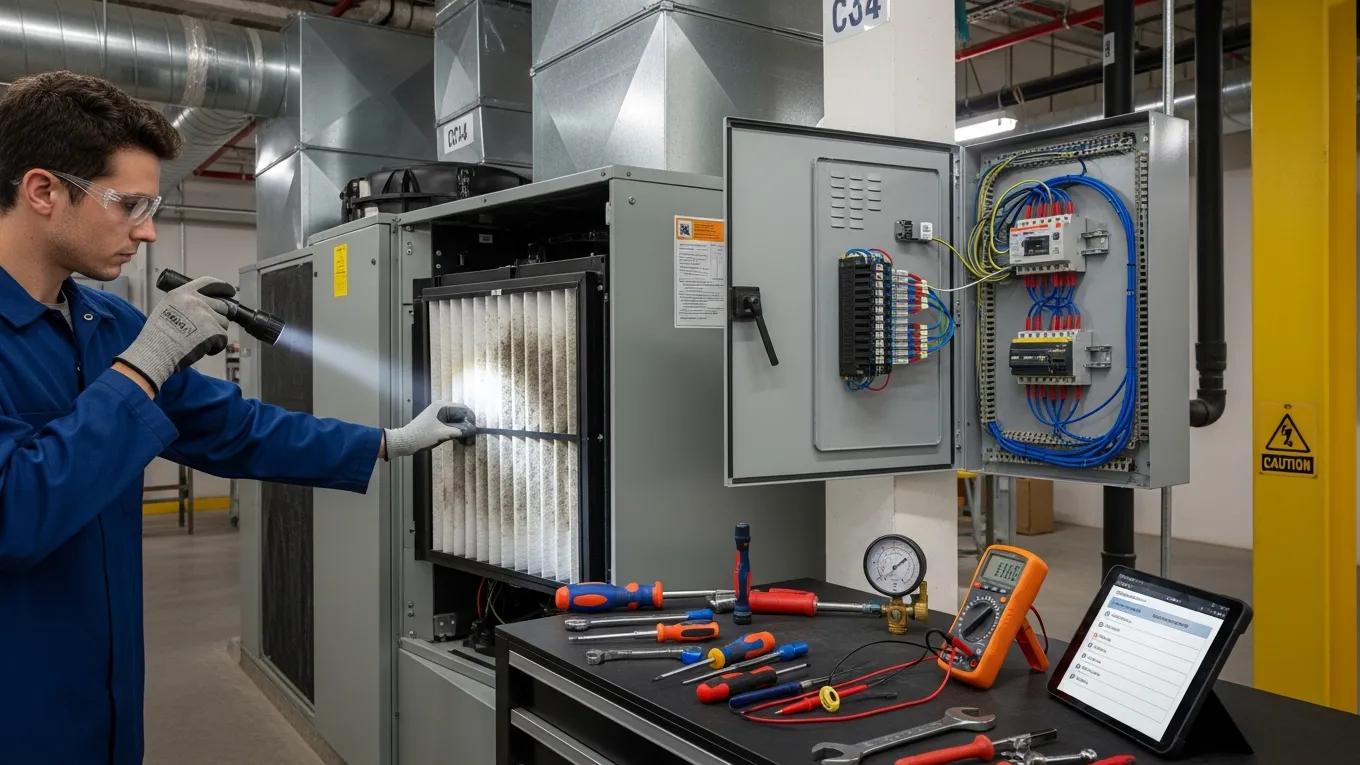
A comprehensive inspection reviews key system elements to ensure safe and efficient operation. We recommend regularly inspecting the following:
- Air Filters: Check and replace filters as needed to maintain airflow and air quality.
- Refrigerant Levels: Ensure refrigerant levels are adequate for optimal cooling performance.
- Electrical Connections: Inspect and tighten any loose connections to prevent electrical issues.
Our methodical inspections include visually examining the air handler and outdoor condensing unit, listening for abnormal sounds during operation, verifying thermostat setpoints match room temperatures, and checking for leaks or corrosion. Keeping a checklist and photos of any concerns helps us provide accurate diagnostics and service.
Which Components Should Be Checked During Seasonal Inspections?
Seasonal inspections should cover filters, refrigerant, electrical connections, and other performance-related components.
- Air Filters: Ensure filters are clean and functioning properly to maintain system efficiency.
- Refrigerant Levels: Verify refrigerant levels are sufficient to support optimal performance.
- Electrical Connections: Inspect all electrical connections for wear or damage to prevent failures.
Additionally, check the condensate pan for standing water, confirm insulation on exposed refrigerant lines is intact, and verify safety controls like high-limit switches are operational. These small checks prevent water damage and unsafe conditions.
How to Identify Signs of Wear or Malfunction in HVAC Systems?
Early detection of wear or malfunction helps prevent costly repairs and downtime. Watch for these common warning signs:
- No Heating or Cooling: Failure to provide adequate heating or cooling may indicate a system malfunction requiring professional attention.
- Unusual Noises: Grinding, squealing, or other strange sounds can signal mechanical issues that need inspection.
- Ice Buildup: Ice on evaporator coils often points to airflow problems or refrigerant issues that should be addressed promptly.
If you notice performance changes, record details such as time of day, thermostat settings, whether the issue is constant or intermittent, and any recent weather or power events. These notes help us diagnose problems more efficiently. If you detect burning smells or smoke, shut down the system immediately and contact us for emergency service.
What Are the Essential Steps in an HVAC Seasonal Tune-Up?
A seasonal tune-up involves cleaning, testing, and preparing your system for reliable operation.
- Cleaning and Maintenance Tasks: Clean coils, check filters, and inspect ductwork for blockages to maintain airflow and efficiency.
- System Checks: Test operation and efficiency to identify any issues before they become serious.
- Preparation for Seasonal Demands: Ensure your system is ready to handle the upcoming season’s heating or cooling needs.
Our typical tune-up process starts with a visual inspection, followed by powering on the system to observe start-up behaviour and check electrical parameters. We clean or replace filters, clear condensate lines, and verify thermostat calibration. Finally, we document findings and recommend any necessary repairs, helping you prioritize maintenance actions.
How to Clean and Maintain Air Conditioning Units for Peak Performance?
Regular cleaning and scheduled maintenance help sustain cooling capacity and reduce energy use.
- Cleaning Procedures: Clean the exterior unit regularly to remove debris and dirt that can restrict airflow and reduce efficiency.
- Regular Maintenance Tips: Schedule annual inspections and tune-ups with our professional technicians to keep your system in top condition.
- Performance Monitoring: Monitor system performance and address any irregularities promptly to avoid breakdowns.
When cleaning the exterior unit, use a soft brush or low-pressure water to avoid damaging fins. Straighten bent fins carefully and maintain adequate clearance for airflow. Inside, remove dust from the blower and check the evaporator coil’s condition, as a dirty coil reduces heat transfer and cooling effectiveness.
What Heating System Checks Are Needed Before Winter?
Before winter, verify safety and efficiency through targeted inspections.
- System Preparation: Test your heating system to ensure it operates reliably throughout the cold season.
- Safety Checks: Inspect for gas leaks and confirm proper ventilation to protect your household.
- Efficiency Assessments: Evaluate system efficiency to identify and address potential issues early.
If your heating system uses combustion, ensure exhaust vents are clear and draft is healthy. Replace or service worn ignition components and set programmable thermostat schedules to match winter occupancy, avoiding unnecessary runtime and energy waste.
How to Maintain Heat Pumps and Ductless HVAC Systems Seasonally?
Heat pumps and ductless systems require similar seasonal attention as conventional HVAC units, focusing on filters and outdoor components.
- Spring Tasks: Clean filters and check refrigerant levels to prepare for cooling season.
- Summer Tasks: Ensure proper cooling function and clean the outdoor unit to maintain efficiency.
- Fall Tasks: Prepare the system for heating and inspect ducts for cleanliness and integrity.
- Winter Tasks: Check insulation and run a complete system check to ensure reliable heating.
Ductless units benefit from regular filter cleaning and unobstructed airflow near indoor heads. For heat pumps, confirm reversing valve operation and listen for abnormal cycling. Because these systems handle both heating and cooling, performing two seasonal checks—one for cooling readiness and one for heating readiness—is especially valuable.
Schedule Your HVAC Maintenance with De Ochoa Heating and Air Conditioning Today
Don’t wait for a breakdown to take care of your HVAC system. At De Ochoa Heating and Air Conditioning, we are committed to helping you maintain peak performance and comfort in your home in Tulare, CA. Our expert technicians provide thorough seasonal maintenance, inspections, and repairs tailored to your needs.
Contact us to schedule your next service appointment and experience the benefits of professional HVAC care. Protect your investment, reduce energy costs, and enjoy reliable comfort all year long. Book Your Service Now.